When Longevity Needs a New Meaning: An Ayurvedic Lens on Growing Older
-
by
AHT Desk
Severity: Warning
Message: Trying to access array offset on null
Filename: controllers/Ayurveda.php
Line Number: 169
Backtrace:
File: /var/www/vhosts/ayurvedamagazine.org/httpdocs/application/controllers/Ayurveda.php
Line: 169
Function: _error_handler
File: /var/www/vhosts/ayurvedamagazine.org/httpdocs/index.php
Line: 295
Function: require_once
Severity: Warning
Message: Trying to access array offset on null
Filename: controllers/Ayurveda.php
Line Number: 169
Backtrace:
File: /var/www/vhosts/ayurvedamagazine.org/httpdocs/application/controllers/Ayurveda.php
Line: 169
Function: _error_handler
File: /var/www/vhosts/ayurvedamagazine.org/httpdocs/index.php
Line: 295
Function: require_once
Severity: Warning
Message: Trying to access array offset on null
Filename: controllers/Ayurveda.php
Line Number: 170
Backtrace:
File: /var/www/vhosts/ayurvedamagazine.org/httpdocs/application/controllers/Ayurveda.php
Line: 170
Function: _error_handler
File: /var/www/vhosts/ayurvedamagazine.org/httpdocs/index.php
Line: 295
Function: require_once
Severity: Warning
Message: Trying to access array offset on null
Filename: controllers/Ayurveda.php
Line Number: 170
Backtrace:
File: /var/www/vhosts/ayurvedamagazine.org/httpdocs/application/controllers/Ayurveda.php
Line: 170
Function: _error_handler
File: /var/www/vhosts/ayurvedamagazine.org/httpdocs/index.php
Line: 295
Function: require_once








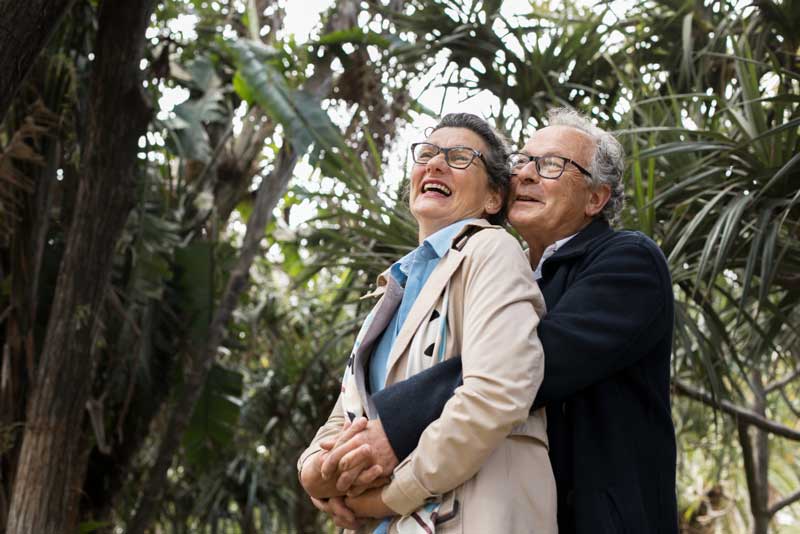
There is a quiet demographic revolution under way in South-East Asia. By 2050, the share of people aged 60 and above is projected to almost double—from 11.3% in 2024 to 20.9%, according to the World Health Organization. Against the backdrop of International Day of Older Persons, on October 1, the question, increasingly, is not simply how long we live, but how well we live those additional years.
The theme this year is theme, The Age of Longevity: Rethinking Systems for Longer Lives.
For centuries, the Indian medical tradition has treated ageing not merely as decline but as a distinct stage of life requiring attention to food, routine, sleep, mental balance, activity and social connection. Its branch of Rasayana—traditionally concerned with maintaining vitality and supporting longevity—offers a different vocabulary for today's debate about healthy ageing.
The idea is strikingly contemporary: longevity should have quality.
Ayurveda's emphasis on dinacharya, or daily routine, resonates with modern geriatric thinking that values regular movement, adequate nutrition, sleep and maintaining independence. Its approach to later life also recognises that ageing is natural and cannot simply be "cured". The objective is to preserve function and dignity rather than wage a futile war against the calendar.
There are also early scientific attempts to examine some of these traditional claims. A clinical study involving older adults reported improvements in walking distance and several quality-of-life measures among participants receiving an Ayurvedic Rasayana intervention, although the study was small and its authors called for further research. A larger 720-person trial of Ayush Rasayana was subsequently designed to examine quality of life, sleep and physical function more rigorously.
That caution matters. Ayurveda's traditional concepts should not be confused with proof that particular herbs or formulations can reverse ageing. For older people—many living with multiple conditions and taking several medicines—professional supervision and evidence-based medical care remain essential.
Yet, Ayurveda contributes something larger to the longevity conversation: a reminder that ageing happens within families, communities and everyday routines.
This year’s theme makes essentially the same broader point. Longer lives require not just hospitals, but supportive homes, social protection, accessible communities, caregivers and opportunities for older people to remain participants rather than spectators.
Perhaps the most useful meeting point between Ayurveda and modern healthy-ageing policy lies there. The goal is not merely to add years to life. It is to ensure that those years retain movement, purpose, relationships, autonomy—and dignity.
References:
WHO; Ayush; PubMed Central
editorial coordinator