Latest Articles
- Applications Invited for BNYS Degree Programme for Academic Session 2026–27
- MP Travel Mart 2026: Madhya Pradesh Puts Tourism Investment in the Spotlight
- Tap biodiversity, experiential potential to promote Wayanad as a destination: Panellists
- Why Dehydration Is More Dangerous Than You Think
- Ayurveda, Yoga Combination Shows Promise in Tackling Childhood Bedwetting
- The $617 Billion Longevity Boom Is Taking Shape
- When Longevity Needs a New Meaning: An Ayurvedic Lens on Growing Older
- Ashwagandha Trial Finds No Evidence of Liver or Kidney Injury Over 24 Weeks
- Kerala Travel Mart 2026 Sets Record with 58,000 B2B Meetings
- HOSPEX 2026 Ends; Kochi Emerges as Hub for Healthcare Innovation
- Kerala targets 5 million foreign tourists and longer stays
- Chief Minister to open KTM 2026 Today
- HOSPEX 2026 Begins in Kochi Today
- World Celebrates Ayurveda Day Today
- Alzheimer’s: The Race Is to Detect It Early
- Delving into Ayurveda’s digital future
- Keralam Aims to Become India’s Top Wellness State
- Try these forgotten tricks for longevity, heat woes
- Keralam Tourism grabs attention at ATM 2026
- Arabian Travel Market 2026 Ends: Tourism Industry Turns to Technology and Connectivity
- Middle East Tourism Poised for Strong Growth by 2030
- Technology, talent and customer focus emerge as priorities at ATM 2026
- Ayurveda at the Crossroads: Tradition Meets Evidence in Global Health
- Keralam Wants the World to See More Than Its Postcard
- BRICS Gives Traditional Medicine a New Research Push
- Arabian Travel Mart 2026 opens in Dubai
- Vitamin D3 Could Be More Effective than D2 in Supporting Muscle and Heart Health: ICMR-NIN study
- Ayurveda Day 2026 to Put Tradition at the Heart of Future Healthcare
- SDM Ayurveda Centre to Hold International Conference on Translational Ayurveda and Autoimmune Disorders
- Is Sugar Needed in Anganwadi Nutrition Mix, asks Keralam Child Rights Panel
- AIIA Launches ‘AyurVarta’ Digital Series Ahead of Ayurveda Day
- 10 Days of Yoga, Months of Calm? Study Finds Lasting Shift in Stress System
- Kerala’s Medical Manuscripts Enter the Digital Age
- Could Cocoa Help Protect the Brain? New Review Points to Mood Benefits, but Cognitive Gains Remain Uncertain
- CCRAS, BIS Pact Aims to Give Ayurveda Global Quality Edge
- More Donors, More Lives: India’s Organ Donation Gap Calls for Urgent Public Action
- SANJEEVANI 2026 Roadshow in Kochi
- Steps Afoot to Turn Kerala into Global Ayurveda Tourism Hub
- Bridge Lab and Market to Make Ayurveda Global, Says Jadhav
- Why learning slows down: Scientists find the brain’s built-in ‘stop’ mechanism
- Scientists Develop AI Tool to Map How Brain Regions Age
- Weight Regain After Dieting May Be Driven by Brain Biology: Study
- Ebola Outbreak in DR Congo Intensifies; WHO Warns of Escalating Health Crisis
- Ayush Ministry, IndiaAI Partner to Boost AI Use in Traditional Medicine
- Uganda Declares End to Latest Ebola Outbreak
- Over One-Fifth of Indian Teenagers Face Moderate to High Risk of Substance Use: Study
- Andhra Reports 10 New Covid Cases; State Count 49
- Ayush Ministry proposes traditional medicine services across military hospitals
- 'Prakriti Café Launched at Ayush Bhawan to Promote Healthy Workplace Nutrition
- Government Upgrades 12,500 Ayush Centres; ₹1,800 Crore Utilised Under NAM
- India Bets Big on Ayush Tourism, Rolls Out Global Push to Make Traditional Medicine a Wellness Magnet
- 'Saushrutam 2026' Ends; Focus on Advancing Ayurvedic Surgery
- Poor Muscle Health Could Raise Tendency to Develop Diabetes: Study
- AIIA to hold 'Saushrutam 2026' from Today
- CCRAS Unveils Three Major Initiatives to Boost Ayurveda Research and Digital Governance
- Union Minister Pushes for Medicinal Forests as Delhi Proposes Major Green Expansion
- Scientists Discover How Deadly Fungi Weaken the Immune System; Open Door to New Treatments
- Cultural Sensitivity, Effective Communication Vital to Enhance India's Medical Tourism: Study
- Sea Anemones Hold the Key to a New Virus Defence
- Exclusive Breastfeeding Could Be Linked to Lower ADHD Symptoms in Children: Study
- India's Hidden Bone Health Crisis: Why Sunshine Alone Isn't Enough
- Europe's Relentless Heatwave Claims Lives, Raises Alarm Over Climate Risks
- Longevity, Future of Wellbeing Take Centre Stage as Global Wellness Summit set to Celebrate 20th Anniversary
- PM Modi Leads Yoga Day in Kolkata, Champions Yoga as Key to Healthy Ageing
- Kolkata Runs, Reflects and Recharges Ahead of International Yoga Day
- Kolkata Gears Up for Mega Yoga Day Event as PM Modi Set to Lead National Celebration
- ITRA Jamnagar Wraps Up 100-Day Yoga Drive, Connects Over 4,500 People Ahead of Yoga Day
- Six Lakh Organisations Sign Up for Yoga Day Event with Prime Minister Tomorrow
- 15-Day Workshop commences in Udipi; Focus on Transliteration of Tigalari and Old Kannada Manuscripts
- Yoga for Healthy Ageing is a Global Call for Health, Dignity and Well-being Across Generations: Union Minister Shri Prataprao Jadhav
- TN Steps Up Nipah Watch, Tracks Fever Clusters
- ICMR Team Reaches Kozhikode as Kerala Intensifies Nipah Containment Measures
- Ministry of Ayush Ropes in RJs and Influencers to Promote Yoga for Healthy Ageing Campaign
- India's Growing Health Challenge: Obesity and High Blood Sugar Levels Rise Sharply Among Adults
- Promoting Sustainable Way of Life through Yoga
- Women Bear the Brunt of Living Longer Than Men: Lancet Study
- IDY Handbook 2026 released
- Kolkata to Host International Day of Yoga 2026 Main Event; Theme: ‘Yoga for Healthy Ageing’
- Soothe Sunburn Overnight; Fight Hair Frizz During Humid Days
- Study links chronic fatigue, declining motivation to Vitamin B12, folate deficiency
- India Alert: Zero Ebola Cases Reported; Health Ministry Ramps Up Border Screening
- India Steps Up Ebola Checks at Airports, Issues Travel Advisory
- Understanding Karkitaka Chikitsa Through Ritucharya
- Climate Change and Respiratory Health: Why Better Breathing Matters More Than Ever
- Follow Ayush Advisory; Beat the Heat; Be Safe During Heatwaves
- Global Travel Market 2026 in Thiruvananthapuram from June 3 to 5
- The way to good health is in the kitchen
- Yoga for Obesity and Stress: Reclaiming Balance in a Chaotic World
- Prevent Heatstroke, Heat Exhaustion as Mercury Level Soars
- AYUSH members will be integrated in state advisory panels on biomedical waste management
- Vaazha 2 film Debate Deepens as LiverDoc says it’s Public Health Activism
- World Liver Day a Grim Reminder to Protect Liver Health; Study says one in 3 Indians face liver health challenge risk
- Vitiligo:Understanding, Healing, and Reclaiming Confidence through Ayurveda
- Hormonal Imbalance, Fertility Issues affecting women in 20s
- Physical activities, good sleep likely to lower dementia risk, says study
- GANDHI AND HIS EXPERIMENTS WITH FOOD AND DIET
- Ayurveda aligns with World Health Day Theme
- Yoga Mahotsav–2026 Global Awakening Towards Holistic Health and Harmony
- Rising temperature likely to affect key aspects of childhood development
- Have whole grains, keep diabetes, obesity at bay
- Fitness Study: Only One in Three School children up to the Mark. Physical fitness need of the hour
- Un-Hunch Your Day: Desk-Friendly Yoga
- Government Boosts Medicinal Plant Development, Conservation and Farmer Linkages
- Ayush marks World Tuberculosis Day with collaborative clinical study in association with DBT
- Yoga 365: Integrating Wellness into Everyday Life
- Stay Fit While You Fly: Smart Yoga Routine for Air Travellers
- Government strengthens support for desert medicinal plant cultivation
- Sleep Well, Live Better
- Yoga Mahotsav-2026 launched to mark 100-day countdown to IYD 2026
- Post Winter Skin and Haircare Tips
- Participants hone skills in Agnikarma, Rakta Mokshana para-surgical Ayurvedic therapies
- Call for Expression of Interest for Startups under CCRAS–CARI, Bengaluru
- National Arogya Fair 2026 ends; integrates holistic healthcare, research and rural empowerment
- Nurture Your Health with a Relaxing Bath
- Applications Invited for Prime Minister’s Awards for Yoga-2026
- President inaugurates National Arogya Fair 2026
- Leverage India’s Sovereign AI Models to strengthen the Ayush digital ecosystem: Ayush Secretary
- India set to lead and collaborate for an integrated, human-centric global health system: Minister
- Chintan Shivir on Medicinal Plants charts roadmap for strengthening sector; outlines vision for sustainable growth, global leadership in traditional medicine
- Experts highlight importance of Integrative Healthcare through ‘Yoga Samyog’
- AIIA Inks Mou with General Insurance Council to Provide Cashless Treatment
- Relevance of Nadi Pareeksha as diagnostic tool highlighted at AIIA National Workshop
- Childhood Obesity: A Growing Problem in Growing Children
- The Weight of the Mind: How Obesity and Mental Health Secretly Collide
- AIIA conducts Awareness and Academic Activities as part of World Cancer Day observation
- Ayurveda and Wellness Conclave Ends; highlights Kerala as frontrunner in wellness tourism
- Three AIIAs proposed in Union Budget 2026
- India, Germany strengthen collaboration on integration, reimbursement pathways, and regulatory frameworks for traditional medicine
- Decoding India’s Medical Heritage CCRAS–CSU Initiative Makes Rare Palm Leaf Ayurvedic Manuscripts Research-Ready
- Global Ayurveda and Wellness Conclave to highlight Kerala’s potential in the field
- Ayush Ministry signs MoU with Zepto Ltd to facilitate online access to Ayush medicines, wellness products
- AYURVEDA STANDARDISATION WORKSHOP HIGHLIGHTS COLLABORATION FOR QUALITY AND GLOBAL TRUST
- Experts Call for AI-Enabled Farm-Gate Quality and Traceability Systems
- Raising Awareness on MSME Opportunities for Ayurveda-based Startups
- Exercise helps reduce symptoms of depression
- Ayush exports rise 6.11 pc to $689 million in 2024-25: Govt
- Scientists find ways to rejuvenate ageing immune system
- Synthetic dyes in food poses health issues
- WHO and AYUSH ministry hold meet to integrate Ayush systems into Global Health Intervention Standards
- Ayush Expo central feature at WHO-GTMC begins December 17
- Cardiovascular benefits of plant-based diets depend on quality and processing level: Study
- State’s first International Ayurveda & Wellness Conclave in February
- People worldwide not getting enough Omega 3, says study
- Countdown to second WHO Global Summit on Traditional Medicine begins
- Centre sanction Rs 140 cr for Ayurveda medical college, says Tripura CM
- International Conference on Ayurveda and Integrative Approaches to Obesity and Metabolic Syndrome concludes
- Yoga for Gastric Ailments: Healing the Gut the Natural Way
- Shepherd’s Purse play therapeutic roles in bleeding inflammation
- CCRAS set to Launch SIDDHI 2.0, Boost Research-Driven Ayurveda Pharma Innovation
- India, Germany strengthen collaboration on integration, reimbursement pathways, and regulatory frameworks for traditional medicine
- Ayush Pavilion Draws Crowd at India International Trade Fair 2025
- Mushroom consumption influences biomarkers of cardiometabolic ailments, immune function
- International Ayurveda Meet Commemorates 40 years of Ayurveda in Brazil
- EBBE Therapy to the aid of Diabetes
- Dr C A Raman passes away
- ‘Madhumeha Vimarsha’ to mark World Diabetes Day today
- Scientists identify chemical linked to trauma and depression
- India, WHO Set Stage for Global Summit on Traditional Medicine
- SOUKYA gears up for 100-bed AYUSH hospital in Bengaluru
- Vegan Food Gaining Relevance by the Day
- Studies support Health Benefits of Pomegranate
- Holistic Care for Stroke Management Highlighted
- Evidence-based yoga can aid clinical treatment of mental disorders
- Ayurveda economy in India valued at USD 43 billion’
- Around half the Indian population Vitamin-D deficient: Study
- Sookshma Vyayama to Ease Joint Freeze
- Preventive and Integrative Approaches in Ayurveda for Bone Health highlighted
- Ayurveda Empowers Women to Embrace Menopause with Balance and Vitality
- Teachers encouraged to disseminate Indian Knowledge System
- ITB Asia 2025 leaves Mark on Travel Industry
- Cysteine could help stem cells regenerate intestinal tissue: Study
- ‘TURMERIC PROMOTION AND SPICE EXPORTS REFLECT INDIA’S SPICE LEADERSHIP’
- 'AYURVEDA AAHARA' ADVOCATED AS GLOBAL NUTRITION MODEL ON WORLD FOOD DAY
- INDIA SHOWCASES LEADERSHIP IN HERBAL MEDICINE REGULATION AT THE 16TH WHO-IRCH ANNUAL MEET
- PRAGUE BECOMES A GLOBAL CENTRE FOR TCM
- INDIA CHAMPIONS INTEGRATIVE HEALTH COLLABORATION AT REYKJAVÍK ASSEMBLY
- DRAVYA PORTAL TO CATALOGUE 100 AYUSH SUBSTANCES IN FIRST PHASE
- FAT-BURNING SECRET OF GREEN TEA REVEALED
- AYUSH MINISTRY ANNOUNCES SPARK-4.0(2025-26) for BAMS students
- Kairali Ayurvedic Group to open new luxury & wellness boutique Resort in Goa. Villa Raag to redefine luxury Yoga & Wellness hospitality at Agonda Beach, Goa
- Holistic approach to heart health reversal
- FIBO Arabia champions inclusive, holistic approach to health
- Plans afoot to include Ayurveda in curriculum in schools, colleges
- AIIA launches joint integrative clinic for cancer patients
- Uncontrolled hypertension poses high risk
- Poor sleep hygiene could lead to dementia
- Scientific validation of Ayurvedic therapies, ethical promotion need of the hour
- Immense Potential for Ayurveda in Almaty
- Key initiatives to mark 10th Ayurveda Day in Goa on Sept 23
- More school-age children, adolescents obese than underweight: UNICEF global report
- What are SCFAs?
- Your Plate, Your Plan: Eating in Tune with Your Body
- World Duchenne Muscular Dystrophy Day Observed
- Ayurveda Day on September 23 annually
- Your Gut Already Knows: Mind your Gut, Keep Diseases at Bay
- Surya Namaskar - Ideal workout for digestive tract
- IITAC launches open-source health platform blending traditional and modern medicine
- Drink 3-5 cups of coffee daily to keep chronic illness away and live longer
- Diabetics can eat mangoes, says a new study
- PM Modi warns nation on rising threat of obesity
- When the Body Sleeps, Nature Heals: Myths and Science of Rest
- Uttarakhand to develop AYUSH village in every district: CM Dhami
- Excess screen time tied to cardiometabolic risks in youth
- AyurVAID signs MoU with JNTBGRI for herbal drug research
- Punjab Government issues advisory on safe health practices
- NMPB signs MoUs to promote medicinal plants
- FSSAI releases Ayurveda Aahara products list to promote traditional diet
- India strengthens primary healthcare with over 1.78 lakh AAMs
- Reliance forays into Ayurveda space with Puraveda collection
- Sleep regularity critical in preventing diseases, finds global study
- Ayushman Vay Vandana claim settlement crosses 1 lakh mark: Union Government
- Ayurveda in Stress Management
- Two eggs a day reduce heart disease risk, says study
- New study debunks 10,000 steps myth: Fewer steps still offer big health boost
- Expert Committee reviews safety of Ayush herbs to ensure global standards
- CCRAS to hold second edition of Ayurveda scientific writing workshop
- Obesity linked more to diet than lack of activity: global study
- Medical experts call for evidence-led integration of Allopathy and Ayurveda
- WHITE RICE: AYURVEDA’S UNSUNG HEALER
- Regular physical activity cuts death risk up to 40%, says study
- Union government issues advisory for healthier dietary habits
- WHO roadmap for AI in traditional medicine acknowledges India’s role
- Apollo AyurVAID to enter Ayurvedic product space
- WHO calls for better social connections to beat loneliness
- Surge in cancer cases in Kerala, say doctors at Kerala Cancer Conclave
- UN International Day of Yoga event in UK push for white paper on integrative healthcare
- Hypothyroidism if untreated can lead to heart problems, says prominent endocrinologist
- Walking longer cuts risk of chronic low back pain, says study
- Excess weight and obesity on the rise among Indian households, says study
- Yoga has become integral part of lifestyle in the world: Prime Minister Narendra Modi
- Alternate day fasting seems better than calorie-restricted diets for weight loss, says study
- Unhealthy plant-based food can harm your heart says new study
- Drink black coffee and enjoy a long life
- Make lifestyle changes to cope with anxiety disorders
- Goa Tourism woo visitors with monsoon campaign
- English documentary on Ayurveda highlighting its potential released
- India all set to celebrate International Day of Yoga, 2025
- India assures support to WHO's Global Traditional Medicine Summit
- Is the integrated MBBS-BAMS course a blessing or curse?
- Mauritius to scale up Ayurveda services
- Ayurvedic products market projected to grow at a rapid rate till 2032
- Ayurveda’s Surgical Precision: A Legacy of Ancient Mastery
- IDY 2025 is shaping up to be an event of epic proportions
- Ayush Suraksha Portal launched to safeguard traditional medicine against misleading ads and adverse products
- India reinforces commitment to WHO global traditional medicine strategy at 78th World Health Assembly
- Bathing is a therapeutic practice that supports the physical, mental, and spiritual well-being of a person
- Nutraceuticals Sector Set for Rapid Expansion
- India Sees Modest Rise in COVID-19 Cases
- Vice-President Jagdeep Dhankhar calls for evidence-based validation of ancient texts
- According to Ayurveda, summer is just getting started; here’s what you need to know…
- Chennai to host Medical Travel Summit on 26th May
- Kavya Jyothi award for Ayurveda doctor B.G. Gokulan
- Ayurveda Day Gets a Fixed Date
- Reviving Ayurveda’s Literary Treasures
- Breakthrough in Managing Migrated Lumbar Disc Herniation
- How acoustic blast trauma-induced sensorineural hearing loss can be managed through Ayurveda.
- Ayush Ministry launches weekly podcast to bring Yoga to every household
- Two hours of Yoga equals 11,400 steps, reveals new study.
- The secret of skin longevity
- Solutions for your lifestyle problems
- Coping with work pressure
- Tips to beat the summer heat: Ayurveda for office-going professionals
- Call for better convergence between AYUSH and Agricultural departments for the promotion of medicinal plants
- Ayurvedic medicated oils have a 100 billion-dollar future to look forward to, here’s how…
- Today, more than 11.5 crore benefit from 12,500 Ayushman Arogya Mandirs across the country, says minister
- Kuwait’s Sheikha Shaikha Ali Al-Jaber Al-Sabah honored with Padma Shri for promoting Yoga and cultural harmony
- Sajeev Kurup Elected Ayurveda Promotion Society’s President
- ATM 2025 Opens with Unprecedented Global Participation and Cutting-Edge Travel Innovations
- Ayurveda and non-vegetarian food: Debunking myths and embracing balance
- The World Health Summit Regional Meeting to highlight traditional medicine as a major driver of global health equality
- Ensuring hygiene of the eyes as per Yoga principles
- Cleaning nasal passages using saline water helps tackle sinuses and improves eyesight, mental health
- Did you know? Oral hygiene involves the cleansing of the teeth, the mouth, the tongue, the ear, and the air sinuses
- Here is how Yoga can be a natural remedy for children’s physical ailments
- Explaining Vata, Pitta and Kapha doshas in Ayurveda
- Panchakarma, the ancient Ayurvedic detox, gets endorsement from Dr. Naresh Trehan
- How Ayurveda’s traditional wisdom is powering modern wellness trends
- Stress-relieving, sleep-improving Ashwagandha captures the interest of the global scientific community
- Sheetali Pranayama offers an excellent way to keep yourself cool this summer
- Eight best summer drinks as per Ayurveda: Drink no.8 - Lemon-Mint Water
- Eight best summer drinks as per Ayurveda: Drink no 7 - Sugarcane Juice
- Eight best summer drinks as per Ayurveda: Drink no. 6 - Coconut Water
- Discover Vietnam: A Rising Star in Medical Tourism
- Eight best summer drinks as per Ayurveda: Drink no. 5 - Rose Sherbet
- Eight best summer drinks as per Ayurveda: Drink no. 4 - Buttermilk
- Eight best summer drinks as per Ayurveda: Drink no. 3 - Bael Sherbet
- Eight best summer drinks as per Ayurveda: Drink no. 2 - Sattu Sherbet
- Eight best summer drinks as per Ayurveda: Drink no.1 - Aam Panna (raw mango drink)
- Post-COVID, Giloy emerges as the superstar among medicinal herbs
- MoU to establish the scientific foundation for the use of Vidangadi Lauham in diabetes management
- Ayurvedic management of ovarian cysts ensures long-term cure
- Why combining medicines in Ayurveda is a bad idea
- Here’s the Ayurvedic way to combat male infertility by increasing sperm count and motility
- PM Modi calls for strategic interventions to harness the full potential of the Ayush sector
- Know how Ayurvedic ‘pathya’ can be effective in tackling psoriasis
- 7 delicious Ayush food that will improve your health and stimulate your taste buds: No. 7 - Multi-Millet Dumplings
- 7 delicious Ayush food that will improve your health and stimulate your taste buds: No. 6 - Pearl Millet Pakoda
- 7 delicious Ayush food that will improve your health and stimulate your taste buds: No. 5 - Mixed millet drumstick leaves Dosa
- 7 delicious Ayush food that will improve your health and stimulate your taste buds: No. 4 - Khalam (medicated buttermilk)
- 7 delicious Ayush food that will improve your health and stimulate your taste buds: No. 3 - Peya (medicated rice gruel)
- 7 delicious Ayush food that will improve your health and stimulate your taste buds: No. 2 - Kharjur Laddoo
- 7 delicious Ayush food that will improve your health and stimulate your taste buds: No. 1 - Verkadalai Urundai (Peanut Balls)
- Here are some Ayurvedic tips to manage depression
- ‘Almost 80% of the patients around the world are using the traditional system of medicine to fight cancer’
- Boost to medical tourism and healthcare in Budget 2025-26
- PM Modi invokes ‘fresh food, natural food, balanced food’ mantra to tackle rising obesity
- India inching closer to complete eradication of Tuberculosis
- Gavedhuka millet presents a natural way to tackle the obesity epidemic
- Over 1.21 lakh devotees have availed Ayush services at Maha Kumbh thus far, the ministry says
- Want to live for 100 years? Embrace Ayurveda, says Madhya Pradesh Chief Minister Dr. Mohan Yadav
- Lasunadya Ghrita from Ayurveda offers hope for Alzheimer’s Disease, reveals study
- 7 Ayurvedic tips for healthy eating
- National Turmeric Board inaugurated, to bring focus on efforts to tap the commercial potential of the ‘golden spice’
- ‘Oil pulling’ with coconut oil ensures healthy gums and fresh breath all day long
- Six medicinal plants to have in your kitchen garden, as recommended by National Medicinal Plant Board CEO
- India can be the world’s health and wellness capital, says PM Modi
- Government working towards ensuring holistic and comprehensive health system, says minister
- How Guduchi Taila is therapeutically effective against Rheumatoid arthritis
- Prime Minister Narendra Modi highlights Ayurveda’s expanding global presence
- Amalaki Rasayana’s neuroprotective effect suggests benefit in Alzheimer’s, says research journal
- Ministry launches film series to showcase the progressive impact of National Ayush Mission among the public
- 2024 saw Ayush breach new levels of popularity and legitimacy on a global level
- Meditation: The science, the steps involved, the benefits to be attained and more…
- Ayush industry expands beyond $18 billion mark, thanks to govt promotion through international collaboration
- Study finds that a 40-minute daily Yoga routine can reduce the risk of diabetes by approximately 40%
- World Ayurveda Congress to deliberate on the transformative potential of modern technologies in advancing Ayurveda
- A total of 123 regular Ayush Visa, 221 e-Ayush Visa and 17 e-Ayush Attendant Visa have been issued so far, says minister
- United Nations announces December 21 as World Meditation Day
- Is rice to be blamed for the surge in diabetes? Ayurveda explains…
- Viruddha Ahara can result in various health problems ranging from minor disturbances to death
- Ayush exports have doubled from USD 1.09 billion to USD 2.16 billion in the last decade, says minister
- Latest issue of CCRAS publication urges Denmark to reconsider the ban on Ashwagandha
- Kapikacchu offers a potent way to overcome sexual infertility among men
- Swarnaprashana is the traditional Ayurvedic measure to improve immunity in children
- Latest Ayush campaign eyes multiple Guinness World Records
- Nine Gems of Ayurveda for a healthy life: Gem No.9 - Follow seasonal regimen to sustain seasonal variations
- Nine Gems of Ayurveda for a healthy life: Gem No.8 - Promote your health with rejuvenators
- Nine Gems of Ayurveda for a healthy life: Gem No.7 - Follow the code of conduct to remain happy and content
- Nine Gems of Ayurveda for a healthy life: Gem No.6 - Never suppress your natural urges
- Nine Gems of Ayurveda for a healthy life: Gem No.5 - Good dietetic practices keep you away from diseases
- Nine Gems of Ayurveda for a healthy life: Gem No.4 - Nasal application of oil daily keeps you healthy
- Nine Gems of Ayurveda for a healthy life: Gem No. 3 - Exercise for better health
- Nine Gems of Ayurveda for a healthy life: Gem No.2 - Delay your ageing by daily massage
- Nine Gems of Ayurveda for a healthy life: Gem no.1 - Pleasant Sleep
- PM Modi urges youth to take up career in Ayush; says ‘immense opportunities await them’
- Five Ayurvedic regimens to ensure lasting health and enhanced productivity
- More than 150 countries to celebrate the 9th Ayurveda Day on October 29
- Here is a list of Ayurveda-recommended exercises to correct eyesight and cure eye diseases
- Ayurveda for Gen Z: Know the best time to eat as per your routine
- New Centre of Excellence to help standardize herbal constituents in Ayurvedic drugs
- Have you washed your hands properly? Over 85% fail in this process…
- This is how obesity can be managed through Yoga
- Minister inaugurates first Ayush Aushadhi Kendra at AIIA New Delhi Campus
- President Murmu calls for strict action against fake practitioners of Ayurveda as ministry decries ‘miracle’ ads
- Here’s the Ayurvedic method for prevention and treatment of Monkeypox
- The 3rd edition of the Asia Horti, Organic & Ayurveda Expo is underway
- First Ayush Jan Aushadhi Center to be inaugurated on October 9
- Ayurveda Innovation for Global Health is the theme for the 9th annual Ayurveda Day
- 170 Ayush packages finalized to be incorporated under AB-PMJAY, says minister
- Intermittent fasting and its benefits as per Ayurveda
- ‘Ayurvedic food is not only healthy but also tastes great’
- Ayurveda takes centre stage at World Food India 2024
- Ministry of Ayush has conducted 1580 pharmacovigilance programs since 2018
- Ayurveda music therapy can promote overall vitality and energy flow
- Global experts get together to discuss the potential of AI in advancing traditional medicine
- The inauguration of Ayurgreen Rehab Village marks the rise of Rehab Tourism in Malappuram District
- Global traditional medicine market is expected to reach $333.26 billion by 2031
- How Ayurveda helps to boost your immunity
- National Exit Test for Ayush comes into effect
- Practising yoga for 40 minutes daily can lower the risk of Type 2 diabetes by 40%, study finds.
- ‘Integrating Ayush principles with agriculture could lead to substantial income increase for farmers’
- Study finds Ayurvedic Whole System (AWS) can reverse Rheumatoid Arthritis symptoms
- Indian Ayush market to be worth USD 200 billion by 2030, says secretary Kotecha
- Indians are sleep-deprived, and Ayurveda is the best answer to it
- ‘Kerala aims to garner 10 per cent of India’s medical value tourism’
- Following the Ayurveda clock helps to ensure a healthy and satisfied life, here is how
- Managing kidney stones through Ayurveda
- India and Malaysia sign MoU on Ayurveda and other traditional systems of medicine
- Ashwagandha extract market size to reach USD 1 billion by 2031, says report
- Ayurveda advocates a lark chronotype to treat hormonal and menstrual disorders
- WiseLife Unveils Wise Purpose Printed Yoga Mats
- Ayurveda makes Osteoarthritis treatment safe and effective
- BIS establishes a dedicated standardization department for the Ayush sector
- Ayurvedic therapy Jambira Pinda Sweda is effective in treating Cervical Spondylosis
- Kanakasava and Trivrita Churna are effective against bronchial asthma, finds CCRAS study
- Sukumara Ghritam and Brahmi Churnam can enhance menopausal well-being, CCRAS confirms
- India commits US$ 85 million to the WHO Global Traditional Medicine Centre
- Know the Ayurvedic way to healthy weight gain
- Black pepper has been part of Ayurvedic medicine for thousands of years, here’s why…
- Ayurveda one step closer to inclusion in Ayushman Bharat scheme
- Why Ayurveda is the best way to ensure holistic health in today's world
- Importance of taking up Ayurveda treatment during Karkidaka month
- KAAI: AI for Ayurveda Practitioners by Kairali Ayurvedic Group
- Face Yoga can help you maintain a youthful appearance
- The renowned cardio surgeon, Dr. MS Valiathan, passed away
- Live demonstration of Ayurveda surgical procedures held as part of Saushrutam 2024
- Global ashwagandha extract market to reach $2.5 billion by 2031
- Ayurveda explains what happens when you resist the urge to urinate for too long
- Know your Ayurveda diet based on your dosha type
- Ayurveda to help Delhi Zoo animals remain safe and healthy during this monsoon season
- It’s final, Ayush Ministry omits rule restricting the advertisement of Ayurveda products
- Ayurveda and Homeo institutes sign MoU to develop higher quality medicines
- ‘Ayurveda market has surged to $18.2 billion with significant exports to EU, UAE, and Japan’
- Here are the food combinations that you should avoid as per Ayurveda
- The Miraculous Recovery: Ayurveda's Impact on LASIK Vision Loss
- CCRAS inks MoU with Ayush University, Dabur for advanced research in traditional medicine
- How to get rid of muscle cramps
- Kerala to get 10,000 new yoga clubs this year
- PM Modi highlights yoga's global growth on the 10th annual International Day of Yoga.
- Yoga can reduce sleep problems
- International Yoga Day 2024: Empowering Global Wellness
- The Association of Medical Facilitators (AMF) Elected New Office Bearers
- ISRO to organize ‘Yoga for Space’ as part of International Day of Yoga 2024
- Hyderabad-based NIIMH to collaborate with WHO on traditional medicine research
- Can foods be addictive?
- Ayurveda is the most commonly used system of treatment in rural and urban areas, according to the National Sample Survey
- Prataprao Ganpatrao Jadhav is the new AYUSH Minister
- Special media programs arranged for celebrating International Day of Yoga on June 21
- Add more fiber and fermented food to your meals
- Dr. S Gopakumar, Medical Superintendent of Ayurveda College, Kannur has been appointed as Registrar of Kerala Medical University
- Ayurveda principles to ensure a healthy childhood
- FSSAI has drafted the licensing and logistics norms for Ayurveda Aahara
- 6 ways digital technology is helping Ayurveda grow and expand
- Diabetes: Traversing the New-age Epidemic Landscape
- PRAGATI 2024 to boost collaborative research on Ayurveda drugs
- Stakeholders discuss ways to widen Ayush insurance coverage
- Ayush hospital owners and insurance company officials to come together and discuss insurance coverage for Ayush treatment
- ‘Ayurveda and yoga are two sides of the same coin’
- India to dominate global Ayurveda market expected to reach USD 32.62 billion by 2030, says new report
- Ayurveda's timeless affair with gold
- NFL star Aaron Rodgers is all praise for Ayurveda, calls it an ‘incredible experience'
- 101 years old and still young! Meet Charlotte Chopin, the real-life Wonder Woman
- Yoga: A Natural Way to Managing Diabetes
- India-Thailand MoU on traditional medicine set to save the life of Bani, the baby elephant
- Did you know? Driving can cause you cancer!
- 9 ways to beat sunstroke through Ayurveda
- Unravelling Prameha: An Ayurvedic Approach to Understanding and Managing Diabetes and Metabolic Disorders
- Ayush Ministry’s warning against misleading advertisements
- Five surprising celebrities who endorse Yoga for a better life
- NITI Ayog lauds Kerala Ayush as State plans to woo more tourists
- AYUSH joins mainstream with entry into WHO international classification of diseases
- European Ayurveda Congress 2024, Berlin
- External application of clarified butter can prevent pregnancy stretch marks
- SMART 2.0 program to promote clinical studies in priority areas of Ayurveda
- MoU signed to bring new research in the field of Ayurveda
- CAYEIT has developed the world's first 'Ayurveda AI’
- Over 4000 perform Surya Namskar simultaneously in Gujarat, sets new record
- WHO International Standard Terminologies on Ayurveda
- 10th pass can now pursue pre-Ayurveda courses
- Northeast folk medicine research gets a Rs 53 crore boost
- Research to explore Ayurveda qualities of tea.
- AIIA Goa marks first foundation day
- Why Mustard oil is a cherished ingredient in Ayurveda
- Yoga Nidra improves brain function, and quality of sleep, finds study
- Ayurvedic wisdom for a million-dollar smile
- Investing in Yoga studios is the best way to capitalize on the growth of wellness tourism
- Ayurveda med manufacturers bat for a national institute in Idukki
- ‘Ayurveda's role during Covid times should be recorded in history books’
- Experts suggest integrated treatment protocol for cancer patients
- V-P Jagdeep Dhankhar calls for leveraging Ayurveda to promote wellness tourism
- Global Ayurveda Fest to showcase the largest-ever Ayurveda expo
- AIIMS study reveals Yoga reduced seizure frequency, improved life quality among epilepsy patients
- Vice President Jagdeep Dhankhar to open Global Ayurveda Fest on Dec 1
- Global Ayurvedic supplement market set to surge at 9.9% CAGR
- Ayush Research Council launches project AGNI for mainstreaming Ayurveda practices
- WHO, AYUSH Ministry sign agreement to advance traditional medicine
- Can Yoga slow the progression of Parkinson's? The study is on
- Ayurveda can help India fight the diabetes crisis
- Dr. L. Mahadevan, a winner of the National Dhanwantari Ayurveda Award 2023, has written 72 books on Ayurveda
- PM Modi says supporting Ayurveda is a vibrant example of being Vocal for Local
- Ayurveda-based cancer hospital coming soon in Maharashtra
- International Ayurveda Mega-Conference Ayurveda Beyond Wellness
- The 8th Ayurveda Day has been slated for 10 November 2023, with a primary emphasis on the theme 'Ayurveda for everyone, on a daily basis'
- Algorithm developed at CSIR-IGIB points out dietary essentials required for better health of individuals
- 'Credibility of Ayurveda depends on proper supervision, licensing, testing and enforcement.'
- Pashu Ayurveda deals with animal welfare which is a $25 billion market
- Bangladesh represents an untapped market for Kerala's Ayurveda sector
- Ayurvedic approaches to manage chronic diseases
- Fall is here, and it's time to adjust our diet accordingly.
- Integrative medicine departments to be opened at 19 AIIMS institutes
- Finding balance in the digital age through Ayurveda
- 8th Ayurveda Day celebrations to explore the potential for the well-being of plants and animals alongside humans
- BIS releases catalog of Indian Standards for Yoga accessories and terminologies.
- India is the least promiscuous country in the world; Ayurveda tips for nurturing unity in relationships
- Ayurveda provides career opportunities on par with MBBS or MD/MS, says expert
- Centre constitutes National Turmeric Board, aims $1 Billion in exports by 2030
- Ayurvedic practices for maintaining harmony in relationships
- Yoga therapy proved effective in improving heart function among patients
- 22% men in India practice Yoga, the highest in the world; at 31%, women come second
- Ayurvedic support for menopause and healthy aging in women
- National Institute of Ayurveda plans to conduct ENT surgeries
- Hypertension affects one in three globally; Ayurveda tips for improved mental health
- Yoga and Meditation are beneficial in combating Alzheimer’s disease
- CCRAS receives a certificate of patent for Ayush-D drug for Type II Diabetes Mellitus
- 2nd International Ayush Conference to be held at Dubai World Trade Centre on January 13-15
- Ayurvedic practices for menstrual health and women's well-being
- The pulse of the female is felt in the left hand, while that of the male is felt in the right hand; here's why
- The G20 Delhi Declaration recognizes the role of traditional medicine in global health
- The six tastes and their effects on the Doshas
- Milma launches low-cost Ayurvedic alternatives to allopathic veterinary drugs
- BIS introduces standards for Ayurveda equipment
- AYUSH business to clock $24 Billion in 2023
- India to collaborate with Nepal, Cuba, Malaysia, Venezuela, and Qatar on traditional medicine
- Aging gracefully through Ayurveda
- Traditional medicines coming back is essential to make the world a better place.
- The future of medicine hinges on Ayurveda's ability to tackle heterogeneity in diseases
- Terming traditional medicine 'alternative' misleading, says WTO Director-General
- First-ever WHO traditional medicine summit to ponder on pathway to universal health
- Mindful eating, the Ayurvedic path to improved well-being and oral health
- Did you know? Journaling is an Ayurveda-recommended practice to combat mental illness
- Survey finds 28 percent patients in South India prefer traditional treatments
- Self-massage or Abhyanga: A powerful practice for stress reduction and rejuvenation
- Indian traditional medicine is set to become a 'global phenomenon'.
- The new generation should be made aware of possibilities in Yoga, Ayurveda: PM Modi
- One-third of Indians have non-alcoholic fatty liver; Ayurveda the way out?
- Ayush docs may soon be visiting schools every month to check on students' health
- Lunch is the most important meal of the day, here's why
- India Set to Unveil Landmark Survey Results on Traditional 'Ayush' Systems of Medicine
- Global Ayurveda market sees rapid growth, to hit $17 billion by 2028
- Ministry of Ayush launches comprehensive yoga guidelines for all age groups in collaboration with WHO and BIS
- More youth suffer from pitta dosha, causing anger, hair loss, and high bp, says BHU study
- Ayurveda needs to be adopted as a lifestyle practice: Priyadarshan
- A case for the role of Ayurveda in Hepatitis B treatment
- Why we eat with our hands
- Varsha Ritucharya: Holistic Wellness for the Monsoon Season
- Health expert proposes a shift from universal healthcare to universal health insurance
- Trade of Ayush Products Surges Sixfold, Reaches $18.1 Billion in Seven Years: Ayush Minister
- PPP to Unleash the Power of Alternative Medicine in India
- 'Limitations of Modern Medicine Driving Youth to Ayurveda'
- CCRH and the Paralympics Committee of India Join Hands to Promote Homoeopathy in Parasports
- Benefits of Sleeping in the East-West Direction
- Eat as a family, ensure pets are fed before having your meal: Expert
- RGCB's Clinical Study Aims to Unlock the Potential of Cellular Meditation in Cancer Treatment
- Harnessing the power of Ayurveda for healthy and sustainable weight loss
- 9th International Day of Yoga celebrated with unique programmes, initiatives across globe
- TMC to test Ayur plants for anti-cancer properties
- First WHO Traditional Medicine Global Summit to be held at Gandhi Nagar on August 17-18
- Arab Association of Urology conducting Global Survey on ‘Use of Regenerative Therapy in Male Erectile Dysfunction’
- BIS creates a new department focused exclusively on AYUSH, announces standards for 31 herbs, one product
- ‘Ocean Ring Yoga’ planned for International Day of Yoga 2023 on June 21
- Is Government of India planning to lift curbs on AYUSH drug advertisements?
- India launches online portal to make AYUSH pharmacopoeia available to the world
- Somatheeram launches Ayurveda Wellness Centre at Thiruvananthapuram International Airport
- Rs. 60.16-crore capacity expansion project commissioned at North Eastern Institute of Ayurveda & Homoeopathy
- ICMR, AYUSH sign MoA for research in Integrated Medicine
- How Ayurveda Saved Dr. Zeba Moopen
- Prime Minister Narendra Modi hails Ayurveda a complete discipline of wellness
- "Mann ki Baat” instrumental in giving positive trust to Ayush, says Ayush Minister
- Kottakkal Arya Vaidya Sala, Amrita Institute of Medical Sciences win FICCI Medical Travel awards
- All AIIMS to have Ayurveda Out-Patient and In-Patient Departments
- Prime Minister Modi all praise for Kerala's Ayurvedic tradition
- Ayurveda anti-cancer drug to undergo clinical trials
- All India Institute of Ayurveda (AIIA) hosts walkthrough for C20 delegates
- Ayurveda brings strategic advantage to armed forces
- Delhi HC raises the question: why can't Ayurveda and Allopathy go together?
- 25 SCO nation-initiative to promote Traditional Medicine
- Ayush-64 proves effective for Covid-19
- Definition of 'Degree in Medicine' includes Siddha, BDS, says Madras HC
- Advantage Health Care India to be held in New Delhi from April 26 to 28
- Government to promote Medical Value Travel through Ayush, says Minister
- Sabarimala Airport plan moves one step closer to realisation
- Ayush Minister Sarbananda Sonowal appeals to corporates to open 'Yoga Cells' to maximize efficiency at workplace
- 'India on ambitious interdisciplinary programme to integrate Ayurveda with technology'
- Cooperation among SCO countries in medical and health tourism to be in focus at SCO Tourism Ministers’ Meet
- Joint push necessary to position Kerala Ayurveda in global market: Minister
- Allopathic doctors in Uttarakhand to get training in Ayurveda
- Rashtreeya Ayurveda Vidyapeeth to organise two-day seminar on millets
- Heavy turnout for ‘Comeback ITB Berlin’
- Saudi Arabia To Introduce Yoga In Universities
- Kerala Tourism signs pact with UN Women to empower women in tourism
- Prime Minister Modi calls for out of the box thinking to transform tourism in the country
- Medical and health tourism to play an important role at ITB Berlin 2023
- International Yoga Festival at Parmarth Niketan, Rishiksh, from March 8 to 14
- Yoga, AYUSH proved utility in building immunity during Covid-19 pandemic: uttarakhand CM Dhami
- Consume fennel seeds for digestion, heart health
- Huge incentives for tourism and travel sector in Indian Budget 2023-24
- Russian tourist focus on Ayurveda to benefit Kerala
- Ministry of Ayush and ITDC ink MoU to promote Medical Value Travel focused on Ayurveda
- Major role for traditional medicine systems in promoting medical value travel, says Minister Dr. Bharati Pravin Pawar
- G20 Working Group on Health to hold its first meeting in Thiruvananthapuram from January 18 to 20
- Menstrual leave for all Girls in universities! Yet another 'Kerala Model' in the making!
- Australia beckons Indian Yoga instructors
- Yoga highly beneficial for breast cancer treatment: study
- Kerala’s first International Beach Festival lights up Bekal
- Kota coaching centres turn to Yoga, Zumba to tackle students' stress
- Somatheeram bags Global Healthcare Excellence Award
- Soon Ayush units in all govt hospitals
- Kerala voted Best Domestic Wedding Destination
- India working on data-based evidence to take Ayurveda global: PM
- Yoga contributes to cardiovascular health and well-being: study
- 9th World Ayurveda Congress & Arogya Expo gets underway in Goa
- PM to dedicate three national Ayush institutes to the nation on Dec 11
- Meditation effective for anxiety as much as antidepressant drugs: study
- ‘Russia a major market for Kerala Tourism’
- PM Modi to attend World Ayurveda Congress in Goa
- Evidence-based research: Ayush Ministry, Department of Science & Technology to work together
- Ayush Ministry to set up Ayurvedic Academic chair in Australia
- India’s first charter gateway; CIAL Business Jet Terminal launch on Dec 10
- Revealed! five key lifestyle factors for healthy longevity
- AYUSH for global health
- Goa CM bats for medical insurance cover for all Ayurveda treatments
- ‘Indian Ayush sector market to touch USD 23 bn globally by 2023’
- Kerala’s STREET tourism project bags global award at WTM London
- Kerala Tourism’s pavilion a big draw at WTM London
- Daily meditation sessions in Karnataka schools to enhance students’ concentration
- Enhance lung capacity by practicing Ashwa Sanchalanasana
- Free yoga classes in Delhi parks to continue: CM
- Ayush Utsav gets underway in Kashmir
- Kerala to become a fully women-friendly tourism destination
- UK Queen consort in Bengaluru for wellness treatment
- Ayurveda Day celebrated with aplomb
- Country celebrates 7th Ayurveda Day
- Boris Becker teaching Yoga to fellow inmates in prison
- Billionaire Friedrich Christian Flick in Kerala for Ayurveda treatment
- Why you shouldn’t take a shower right after meal
- UGC calls on HEIs to promote Ayurveda
- Explore Wayanad wildlife at night on jungle safari bus
- Kerala Tourism bags PATA Gold Award
- South Asian Travel Awards 2022; Citrine Hospitality bags key awards
- Yoga asanas for women suffering from PCOS
- Saudi introduces Yoga in Universities
- National Tourism Awards: Kerala accorded ‘Hall of Fame’ status
- Kerala witnesses record tourist arrivals
- Australian Shephard’s amazing Yoga skills take netizens by storm
- Can Ayush doctors perform surgery: SC seeks Centre’s response
- Yoga for Hair Care
- Manage stress with this ‘one minute’ Yoga asana
- Ayurveda, Yoga effective in treating high-risk COVID cases: IIT study
- Six-week long Ayurveda Day programme launched
- Kerala’s RT Mission wins international awards
- Kochi-Muziris Biennale from December 12
- Kerala Tourism’s Onam fest off to a colourful start; tourists flock to the state
- Initiative to support innovative research in Ayurveda
- MP approves special Yoga commission
- Malaika Arora’s trainer shares Yoga asanas for athletes
- ‘One black-pepper a day keeps all diseases at bay’
- Ayurvedic rules for drinking water
- PGI Chandigarh for including Yoga, Ayurveda in MBBS curriculum
- Kerala water carnival from Sept 4
- The Do’s & Don’ts in Yoga
- Kerala’s first tribal heritage village lures tourists en-masse
- New Ayush wings in railway hospitals
- National seminar on ‘ayur sports’
- Kama Ayurveda eyes global foray
- 50 % concession for senior citizens at Kerala tourism centres
- International Wellness Tourism Festival from August 5
- GCTM work gains pace
- New automated equipment for Panchakarma procedure gets patent
- ISRO working on space tourism flights
- International Kayaking Festival to be back after two years
- Prescription must for online sale of Ayurveda, Unani drugs
- Kerala among TIME list of world’s greatest places of 2022
- Ayurveda effective for Ascites: new study
- 9th World Ayurveda Congress from Dec 8 to 11
- A simple tip to boost your memory power
- Dhoni turns to Ayurveda for knee treatment
- Ayush systems effective in tackling Covid-19; NITI Aayog releases compendium of Ayush practices from states
- ‘Accord industry status to tourism sector’
- Kerala Tourism rebounds strongly post-Covid
- Yoga ‘effective’ preventive intervention for cardiovascular diseases’
- ‘Indian Traditional sciences the answer to healthcare gap in UK’
- Yoga now a global phenomenon: PM Modi
- Ayurveda-nursing integrated course in the offing
- UAE kick starts Yoga day celebrations with unique full-moon session
- India, WHO to bolster cooperation in traditional medicinal care
- A tourist train with ‘Yoga’ coaches
- ‘Now cent percent insurance coverage for Ayurveda treatments’
- ITBP creates record; takes Yoga to greater heights!
- WHO to set up Global Centre for Traditional Medicine in India
- Ayush Export promotion council
- Ayurvedic doctors entitled to be treated at par with allopathic doctors under NRHM/NHM Scheme : Supreme Court
- WHO establishes the Global Centre for Traditional Medicine in India
- ITB Berlin Convention: In 2022 the tourism industry will probably achieve 80 per cent of pre-pandemic turnover.
- Karnataka to get first AYUSH University in South India
- Eat healthy, stay healthy
- Ten ‘Golden Principles’ of Ayurvedic diagnosis
- Strengthen your bones, avert fractures
- Go for Cracked Wheat (Dalia) to reduce that bulge
- Save your body from harmful effects of alcohol
- Avert blockade of heart with these herbs
- KERALA LAUNCHES MOBILE APP FOR TOURISTS
- The Ayurvedic way to discover better sex life
- Govt. turns to Ayurveda for nutrition support for women and children
- Home remedies to boost memory and brain power
- Make this Onam feast nutritious and healthy
- Check hair fall with these herbal remedies
- A SIMPLE METHOD TO MAKE KARKKIDAKAKKANJI
- A SIMPLE DAILY ROUTINE CAN RELIEVE ARTHRITIS PROBLEMS IN KARKKIDAKAM
- Glowing tributes paid to Dr. P.K. Warrier
- DIABETES CAN BE ‘REVERSED’ THROUGH FOOD CONTROL
- P.M. Varier takes over the reins of Kottackal Arya Vaidhya Sala
- Dr. P.K. Warrier (1921-2021) Grand old man of Kerala Ayurveda is no more
- TRY THESE HOME-MADE IMMUNITY BOOSTERS
- Stay healthy during the rainy season
- Saudi Arabia, India sign MoU to promote yoga
- PM Modi at G7 summit calls for 'One Earth, One Health' approach to fight pandemic
- Anjana Kriya - For beautiful and healthy eyes
- P.K. Warrier—Epitome of a Glowing Ayurveda Tradition
- Ajlan & Bros Holding Group and Desert Adventures Tourism Sign Partnership Agreement
- ITIC Summit concludes successful return of live and in-person Arabian Travel Market
- Agni Elemental guarantor of good health
- Trauma? Anxiety? Ayurveda has some solutions
- Poshan Gyan: NITI Aayog initiative to combat malnutrition
- It’s summer! Take care of the fiery element in you!
- Kerala’s unique Ayurvedic path to health, longevity
- First digital ITB Berlin NOW proves a big draw
- Covid has proved value of Ayurveda and indigenous medicine systems: PM
- Siddhalepa’s 200-year-old Ayurveda heritage transforms into a hospitality leader
- People want to travel again and a large majority of the population is planning trips in 2021: ITB Berlin and Statista present a new survey on travel behaviour in Germany, the US and China
- Live long with regular Abhayanga (oil bath)
- Puffy eyes in the morning? Prevent it the nature's way
- Have a good bath, feel the difference
- Ayush industry clocks 44 per cent growth in pandemic period
- Pamper your taste buds, but mindfully
- Cut the flab the ayurvedic way
- Medhya Rasayana in Ayurveda
- E-LEARNING PROGRAMMES
- Ayurveda interpretation of Breast milk
- Snack Your Way to a Healthy Lifestyle
- Ayurvedic Beauty Tips That Can be Practiced at Home
- Ayurveda Tips for A Glowing Face
- Simple Secrets to Healthier, Shinier Hair
- Shatavari and its medicinal uses
- Ayush Hard Talk: Scientific Evidence, what it means?
- Yogic Practices for Healthy Immune Lungs
- Ayurveda online courses
- Mother Care, the first 100 days
- ‘India: a round-the-year adventure travel destination’
- Yoga asanas for Arthritis
- Fourth Global Ayurveda Festival from Mar 12 to 19
- ‘Medicinal plants key for development of India’s farm sector’
- Home remedies to remove skin tags
- Simple tips to boost immunity
- Ayurveda doctors can perform 58 surgical procedures
- Ayurvedic doctors can now practice general surgery
- Avocado: Utterly Butterly Nutritious!
- Kerala approves Ayurveda treatment for Covid-19 management
- Natural Approach to Birth Control
- Panchakarma – the Gem of Ayurvedic Therapies
- Indian Mint & its medicinal uses
- Total fitness via Yoga
- Health challenges being solved through holistic methods: PM
- Ayurvedic drug shows promising results in clinical trials
- Kerala Tourism launches Miyawaki forest project in 22 spots
- Age comfortably with ayurvedic care
- Global Virtual Healthcare & Hygiene Expo 2020
- Ayurvedic cure for intestinal ulcer
- APPG to celebrate Ayurveda Day
- PM to dedicate two national institutes on World Ayurveda Day
- Virtual Healthcare & Hygiene expo 2020 – Edition 2
- Pranayama – the yogic art of breathing
- Kerala launches 26 new tourism projects
- Ayurveda effective in curing sleep disorders: study
- Ayurvedic interpretation of sleep
- Ministry to set up strategic policy unit for Ayush sector growth
- Integrative approach, the need of the hour: Dr Rathin
- Keep free from ama for good health
- Ayush Hard Talk: Does Homeopathy work?
- Medicinal importance of Mimosa Pudica
- Five dietetic rules to enhance immunity
- Get That Glow on Your Face
- AYUSH system to be soon adopted globally as mainstream medicinal treatment'
- Regional Raw Drug Repositories launched
- Stay Young with Ayurveda!
- Yoga going global
- Sports injuries & the role of Ayurveda
- Aromatic ginger: beneficial in treating respiratory disorders
- ‘Golden Chariot’ to chug along South Indian tourist destinations
- Nasya: its importance amid pandemic times
- ‘Ayurveda for Covid-19’: theme of 5th Ayurveda Day
- Surya Namaskar – the sun salutation Yoga poses
- Water taxis to boost Kerala’s backwater tourism
- Honey: A spoonful of energy
- Kerala opens tourist centres for visitors
- FICCI launches 'Taskforce on Ayurveda Tourism'
- AIIA signs pact with Amity Univ for Ayurveda research
- Time-tested traditional food recipes!
- How to get rid of dark circles under your eyes
- Govt launches Ayurveda, Yoga protocols for Covid-19 management
- Health Benefits of Head Massage
- Integrative Medicine the way forward: Dr Yogender K Gupta
- Ayush Hard Talk series from Oct 4
- Ayurveda Covid study shows ‘promising results’
- Follow ‘Dinacharya’ and ‘Ritucharya’: VP
- Aloe Vera, the wonder plant
- Covid-19: AYUSH ministry takes up clinical study on Vasa, Guduchi
- RT Mission: Kerala’s successful rural tourism model
- Ayurveda globalization to unveil vast opportunities: Dr S Sajikumar
- Nasya: the therapeutic modality for sensory organs
- Kerala Tourism bags prestigious PATA Grand Award
- Webinar on ‘Ayurveda Medicine Manufacturing: Challenges and Opportunities’
- AYUSH Ministry to operationalize 12,500 Health & Wellness centres
- Yogic ways of managing ‘Hypertension’
- Perturbed by premature greying? Follow these tips
- Fighting malnutrition with Ayush, Yoga solutions
- Scale up Ayurveda evidences for its global acceptance
- Indian beech tree – medicine from root to leaf
- Webinar on ‘AYUSH: Scaling up & Upscaling’
- Kerala Tourism aims a comeback through virtual KTM
- PNNM – Making a difference, Moulding the future
- Ayurveda exponent P R Krishnakumar passes away
- Integration of modern, traditional medicinal systems
- Ayurveda to aid India’s growth into most preferred wellness destination: VP
- Global Ayurveda Summit 2020
- Yoga, Ayush focus in Centre’s post-Covid protocol
- For a glowing face
- Ayush-based Nutrition Solutions
- God’s Own Country to beckon tourists again
- Managing Obesity through Ayurveda
- ‘Balasana’ – the stress relieving Yoga pose
- Travel startup to support livelihood of artisans, farmers
- Simple secrets to healthy, shiny hair!
- Healthy Diet – An Ayurvedic perspective
- Tourism Ministry to launch database of Hospitality Industry
- ‘Ayurveda promotion must to win global market for natural remedies’
- Pondy for Ayurveda, Siddha cure to Covid-19 patients
- Vistara rolls out Yoga-inspired in-flight safety video
- Promote research in accordance with Ayurveda principles: BHU professor
- Webinar on ‘Freedom For Ayurveda – sequel 2’
- Isolated flowering of Neelakurinji ignites tourists’ interest
- Gangamboo and other unique Ayurvedic treatments
- AYUSH scholarship scheme for foreign students
- Ayush Valley Foundation forays into Middle East, Africa
- Main thrust on validation of Ayurveda: Dr D C Katoch
- Ayush Valley Foundation to host ‘National Webinar Series’
- AIIA, Nisarga join hands to evaluate preventative effect of neem capsules
- Food Rules by the Gunas of Seasons
- ‘Ayurveda for Covid-19: why shying away from reality!’
- Ministry launches ‘Ayush for Immunity’ campaign
- Ayurveda growth: experts call for reforms in key areas
- Global Ayurveda Summit 2020
- 'Freedom for Ayurveda'
- Nine steps to bolster positive mental health
- Snack on almonds; enjoy umpteen health benefits
- ‘Ayurveda should focus on drug standardisation, clinical trials’
- Covid-19: call for Ayurvedic cure gains traction
- E T Narayanan Mooss, the man behind modernization of Ayurveda medicines
- Thyroid treatment in Ayurveda
- Dhathri Ayurveda forays into Health & Wellness segment
- Breathing techniques effective in managing stress, anxiety: Yale study
- Kerala Tourism: Bekal Fort to come live with Sound-and-Light show
- Magical herbs to support cognitive health
- Tourism: countries worst hit by Covid-19
- India Unlock 3.0: Yoga institutes to open from Aug 5
- AIIA cures Covid-19 patients with Ayurvedic treatment protocol
- ‘It’s time we return to Ayurveda’
- Get rid of those ugly Acnes!
- Follow monsoon regimen to stay healthy
- Herbs around you – Bermuda Grass
- Covid-19: Maharashtra to explore integrated treatment involving Ayurveda
- Kochi Biennale to open on Dec 12
- ‘Build up immunity than living in fear’
- Know the Ayurvedic regimens to boost immunity
- Follow Ayurvedic immunity practices to fight Covid-19: Webinar
- Covid-19: ‘Yoga, Meditation effective adjunctive therapies’
- Make immunity booster ‘Giloy Kadha’ at home
- Well..It’s time to detox!
- NadiVigyan: A complete solution for spinal disorders
- Live in harmony with nature: VP
- Webinar on ‘Ayurveda for Covid-19 prophylaxis’
- Covid-19: India, US to initiate clinical trials of Ayurvedic formulations
- Govt to protect rare medicinal plants; to initiate Germplasm conservation
- Yoga, Ayurveda medicines for jail inmates
- Ayurvedic diet for boosting immunity
- 'Ayurveda clinical trial shows positive results in Covid-19 patients’
- Watch out for binge-eating amid Covid times
- Turmeric, neem effective against Coronavirus: study
- ‘Kerala to focus on Ayurveda, Adventure and Houseboats for tourism revival’
- AYUSH- Agricultural ministry tie-up for leafy vegetable cultivation
- Travelling in times of Covid-19 and the safety precautions
- Ayurveda Covid-19 clinical trials results by Sept end: webinar
- Excessive screen time taking a toll on your eyes? Follow these tips
- ‘Vedic Food and Spices of India
- Ayush Valley Foundation to host webinar series
- Virtual Healthcare and Hygiene Expo 2020 kicked off
- Why ‘Yoga’ becomes vital in post Covid-19 lifestyle
- ‘Include Yoga in online learning curriculum’
- Healing Lower Back Pain Through Yoga
- AYUSH Ministry promotes Yoga health benefits amid Covid blues
- Curcumin and its anti-cancer properties
- Ayurveda to tackle depression
- VaYU launches online Master of Science (Yoga) program
- Eco-tourism destinations set to woo back visitors
- ‘My Life, My Yoga’ video blogging contest
- Ayurveda practitioners fret over new ‘physical contact’ guideline
- AYUSH ministry to organize daily telecast of Common Yoga Protocol
- Uramarunnu – the traditional baby care
- Bangla cops turn to Yoga amid Coronavirus pandemic
- Emotional trauma of living with skin ailments
- ‘Herbal farms’ add to Kerala's lush green cover
- Cabinet nod for re-establishment of Pharmacopoeia Commission for Indian Medicine & Homoeopathy
- Boost immunity with Ayurvedic lifestyle changes
- Digital addiction, a real threat to children
- Helping children accustom to ‘new normal’
- BHU’s Ayurveda faculty sends Covid-19 protocol to ICMR
- Now Railways turn to alternative medicine for immunity boosting
- Kerala rolls out ‘Ayur Shield’ immunity clinics
- Kerala Tourism rolls out cultural experience package
- ‘Meditation’ search peaks as people stay home
- ‘Threadolysis’ the safe way for perfect eyebrows!
- Stranded Malayalam film crew finally flown back home from Jordhan
- ‘Yoga effective in reducing depressive symptoms’
- Ayurvedic immunity boosting in children
- Ashwagandha may hold cure for novel coronavirus: study
- Nourish body, mind with yummy vegetable juices!
- Medicinal plant cultivation gets a leg up
- Yoga to reduce lockdown stress
- ‘Trial on four AYUSH formulations against Covid-19 to start in a week’
- Feeding Mind – the impact of food on mental health
- JNU to start first-of-its kind ‘Ayurveda Biology’ course
- Turmeric, the ‘Golden Milk’ in Ayurveda
- Indian Ayurvedic beauty brands go global
- Four major clinical studies underway to assess AYUSH interventions for Covid-19
- ‘Ayurveda e-Commerce’ to help you set up global online store
- Follow Ayurvedic regimen to boost natural immunity
- Covid-19: Ministry to initiate mass study on AYUSH interventions
- AIIA to help Delhi cops boost immunity
- Uttarakhand to use Ayurveda to boost immunity of corona warriors
- Covid 19: Ayurvedic medicine from Kerala gets clinical trial approval
- Covid-19: Kerala starts mass distribution of ayurvedic medicines
- Like Yoga, world to accept Ayurveda soon: PM
- Goa CM dons his ‘doctor’ hat after a decade
- Covid-19: AYUSH ministry to support short term research projects
- Covid-19: AYUSH ministry issues guidelines for research projects
- Virtual tours catching the fancy of travel buffs
- 7500 Ayurveda clinics in Kerala to provide immunity boosting treatment
- Covid-19: now wear medicated ‘AyurMasks’ for protection
- Ojas and the role of diet
- Stretching safely to shake off injury scare
- ‘Documentation the need of the hour for AYUSH systems’
- KTM trashes reports of tourism ban in Kerala till November
- Coronavirus: Modi advocates AYUSH ministry advisory for immunity boosting
- All's well when you eat well
- Ayurveda and Seasonal Diseases
- Goa to integrate ayurveda, allopathy to treat Covid-19 patients
- Ayurveda for Covid-19 mitigation: a look into the Kerala model
- Covid-19: Kerala to use Ayurveda for prevention & treatment
- Soon Covid-19 can be cured with Ayurveda: AYUSH minister
- Covid-19: how to help an autistic child deal with staying home
- A ‘Pineapple Challenge' for a cause!
- Prince Charles’ office denies ‘ayurveda cure’ claims
- Stranded French tourists flown out of Kochi
- ‘Prince Charles cured of Covid-19 through ayurveda-homeopathy treatment’
- Govt to train AYUSH practitioners among others to tackle Covid-19 crisis
- ‘Stranded in India’ portal to help stranded foreign tourists
- Covid-19: ministry advocates ayurvedic immunity boosting measures
- Covid-19: PM calls on AYUSH community to counter bogus claims
- Indian embassy offers free online yoga classes
- Want to engage your hyperactive kid? A few tips
- Celebrities take to Yoga to keep fit during quarantine days
- Yoga and Meditation: tools for an enlightened mind
- National Ayurveda Institute to be set up in Gujarat
- Coronavirus: AYUSH bats for alternative medicine again
- Harvard exhorts students to fight ‘coronavirus anxiety’ with yoga
- Herbal mouthwash; the natural way to ensure good oral hygiene
- Coronavirus & traditional medicines: the ‘Yes’ or ‘No’ question
- Eat Greens to bolster immunity
- Nepal bets big on ‘Ayurveda’: to set up university
- Kerala to guide MP in Responsible Tourism
- Ayurveda: India for enhancing global co-operation
- Ayurveda -- a great stress buster
- National Ayurveda Morbidity codes formed
- ‘Ayurveda, Yoga benefits go beyond Wellness’
- Kerala Tourism to enthrall visitors with story-telling packages
- Smoke out your illness, the Ayurvedic way
- Businesses hit as largest trade show cancelled over virus fear
- International AYUSH conference on non-communicable diseases
- Uttarakhand woos investors to spruce up Wellness sector
- Experts call for India, UK tie-up to promote Ayurveda
- Rheumatoid Arthritis: Ayurveda to be scientifically compared with modern medicine in efficacy
- Kerala to implement herbal medicine buyback project
- Coconut water – the miracle drink
- 50 adventure tourism spots in Kerala to get a makeover
- World’s first yoga university outside India to offer PG course in US
- Kerala Tourism showcases potential in Israel
- Unwanted facial hair? seek Ayurvedic solutions
- Institute of Teaching and Research in Ayurveda Bill 2020 introduced
- Tourism: Kerala best performing state in India
- Add shine to your smiles!
- Thrissur in UNWTO’s ‘Accessible Tourist destinations’
- For a good night's sleep
- Kerala Ayurveda to be promoted at world’s largest tourism trade fair
- Looking into the Eyes
- Kottakkal Arya Vaidya Sala celebrates Founder's Day
- First Ayurveda drug de-addiction centre to be set up at Amritsar
- Accreditation for Ayurvedic institutions in US soon
- Kerala to bet big on Ayurveda
- Remedy for swelling on foot
- Lack of good sleep and anxiety
- Remedies for hair fall in ayurveda
- Remedy for itching in joints
- Remedy for back pain
- ‘Bhoot Vidya’ at BHU will be conducted by the faculty of Ayurveda
- AYUSH wing to be set up in all medical colleges of MP, says CM Kamal Nath
- Kottakkal hosts a rare exhibition of epigraphs
- Govt to launch AYUSH Export Promotion and Research Council
- NAROPA UNIVERSITY LAUNCHES NEW MASTERS PROGRAM IN YOGA STUDIES
- Jiva Ayurveda signs research MoU with THSTI
- Govt organises symposium to sensitise Ambassadors, diplomats about research in Ayurveda
- ‘Yoga’s effect on brain circuit decoded’
- ‘International Arogya 2019’ to begin in Varanasi
- Stress management, ancient wisdom, yoga — what IAS, IPS officers learn at Art of Living
- New unit at Nimhans to blend Ayurveda, yoga with psychiatry
- Suman Billa is the new Director of UNWTO
- AYUSH & WHO to develop standardized terms, benchmarks for Ayurveda, Traditional Medicine
- Experience Yoga close at the conclave in Pune
- AIIA signs MoU with Australian University to promote Ayurveda
- CCRAS signs MoU with JNU for Research in Ayurveda
- CME on Integrated Approach to Diabetes at Lodha Wellness Retreat
- Kerala Tourism holds road shows in Europe
- An international conference for AYUSH lovers
- Ayush Minister, Naik gives away Ayush Awards to health sector entities
- Kerala receives award for ‘Best Honeymoon Destination’
- Yoga meet in Mysuru
- Kamala Vardhana Rao takes charge as ITDC’s new Chairman and Managing Director
- Prince Charles to celebrate birthday with wife at Soukya Health Center, Bangalore
- No more separate department for anesthesia in Ayurveda
- Startup launches platform for promoting yoga, ayurveda
- First World Assembly on Ayurveda, Yoga ‘Ayuryog Expo’ 2019
- AIIA sign MoU with Germany’s Biotechnology Institute
- Winners of ‘Ayurstart 2019’ contest announced
- Gujarat Ayurveda University signs MoU with wellness brand to promote Ayurveda
- India yoga: Inspirational teacher V Nanammal dies at 99
- AYUSH, Defence ministries ink MoU to provide traditional medicine services
- JNU Sanskrit to teach Ayurveda Biology
- Biggest immunity lesson for school students
- Britney Spears is on yoga, workout and dance therapy
- Kerala Tourism eyes rise in footfalls, earnings in 2020
- Kerala tourism ranks fourth globally in registering social media presence
- Ministry of Micro, Small and Medium Enterprises And Ministry Of AYUSH To Jointly Promote Nutraceuticals
- Ayurvedic medicine to treat dengue to be launched within next 2 years, says Ayush Ministry
- AYUSH Ministry proposes to include 19 treatment packages in Pradhan Mantri Jan Arogya Yojana
- Working to establish the Ayurveda Chair with India: Vice President of Suriname
- 12,500 Ayush Health and Wellness Centres to come up across the country
- Apply NOW: AYUSH Ministry invites applications for National Dhanwantri Ayurveda Award 2019
- Ayurveda Unveiled – art & science of a life well lived
- Talk on Ayurveda in Peru
- Nationwide grid to link AYUSH hospitals, labs
- Thriving to contemporize Ayurveda: Dabur
- PM Modi to release special stamps on 12 unsung ‘Rockstars of AYUSH’
- Ayurvedic dispensaries to be converted into AYUSH Health and Wellness Centres
- Modi to release postage stamp of K Raghavan Thirumulpad
- AYUSH-64, An Ayurvedic anti-malarial drug
- &Me – The Women Centric Ayurvedic Drinks
- National seminar on Ayurveda to be held in Hyderabad
- Yoga to become part of curriculum in IITs, IIMs
- Future Group launches ARQA Ayurveda
- AYUSH Ministry begins documenting local health traditions to ‘conserve’ bio-resources
- Yoga locator – an app to locate yoga centres, instructors
- 6th edition of ‘Ayush 2019’
- 2nd annual yoga and vegan festival at Brussels
- Leading Ayurveda doctor Devanand Prasad Singh honoured
- 32nd International Conference on “Ayurveda: Autoimmune & Metabolic Disorders”
- 3rd edition of Oja Festival – India’s Ayurveda fest held
- Ladakh herbs and medicinal plants should get world recognition, says PM Modi
- ‘Beauty Rituals’ for the monsoon from Kama Ayurveda
- Kerala Tourism Launches its App; Introduces Monsoon Packages
- Medicinal herb receives a diabetes-fighting boost
- Kerala registers an increase growth rate of tourists compared to the corresponding period the last fiscal
- Chandigarh Police and Punjab University signs MoU for yoga advancement protocol
- Remembering Ayurveda’s Charaka
- Learning about herbs through touch and smell
- Herb Day marked to encourage cultivation of medicinal herbs
- Britney Spears credits yoga for her ‘strength’
- Aqua Tourism at Njarakkal
- Nine tourism destinations in Kerala to go plastic and garbage free
- Kerala Tourism Department Launches Monsoon Tourism Packages to Attract More Travellers
- Drug addicts in Punjab to get healed through Ayurveda
- AYUSH to recognize Yoga Asanas as sports
- Music festival – “Nishagandhi Monsoon Ragas” kick-started in Thiruvananthapuram
- Govt plans short-term courses in Yoga for foreign students under the ‘Study in India’ programme
- Ministry of Health signs MoU with Ministry of AYUSH for ‘Tuberculosis Free India’ initiative
- Kerala Tourism invites franchise bid for Champions Boat League
- Wish to reverse greying? Try using sesame seeds
- RP Sanjiv Goenka Group Mulling Foray Into Ayurveda
- Kerala Tourism wins three PATA Gold awards
- Govt to open 4,200 Ayush wellness centres in FY19-20
- Rajya Sabha MP, Sanjay Raut, explains ‘ayurvedic chicken and eggs’
- DRDO scientist develops herbal drug to treat leucoderma
- Health-conscious millennials seek ayurvedic solution for hangovers
- Budget 2019: In fillip to traditional medicine, AYUSH ministry gets Rs 1,939.76 crore
- Olean Meditation Center to offer Yoga Under the Stars
- Kerala Tourism to work towards waste-free tourist destinations in the state
- Kerala Tourism to tap culinary skills of homemakers
- International AYURVEDA Ambassador’s Tour & B2B Meet
- Kerala Tourism joins TikTok
- Jiva Ayurveda to offer free consultation, treatment from July 5-15
- No Biscuits, Cookies, Only “Healthy” Snacks For Meets: Health Ministry
- Kerala witnesses surge in monsoon tourism
- Herbs to heal cattle
- Kerala, the hot-spot destination for Ayurveda Tourism
- Ardram project for Ayurveda
- Ayurveda drug for vitiligo
- Barcelona based Puig partners with Kama Ayurveda
- International Yoga day protocol and general guidelines on Yoga practice
- Int’l Yoga Day celebrations in UK
- QUIZ ON YOGA IN RIYADH
- Hundreds of Russian participate in yoga classes in Moscow park
- International Day of Yoga 2019
- Bengaluru-based startup, AyurUniverse is an online wellness aggregator
- IGNOU launches certificate programme in yoga
- Indian Embassy In Kathmandu Celebrates Yoga Day
- Forest Essentials – delivering Ayurveda beauty care products on a golden platter
- SARVA, an Indian yoga startup, witnesses a host of celebrity investors
- 1mg’s Ayurveda Resource – Scientifically Traditional
- PM Modi to attend International Yoga Day’s main event in Ranchi
- PM Modi tweets yoga asana videos in countdown to Yoga Day 2019
- Ayurvedic Point and IMMS-PAT signs MoU
- Govt announces mobile app and awards for promoting Yoga
- Proposal to add Yoga in educational curriculum: Shripad Naik
- Ayurveda soap, Medimix turns 50
- All PHCs To Have Doctor From Alternative Medicine Systems: AYUSH Minister
- International tourism among the top five economic sectors in the world
- Ayurveda brand, Kapiva enter US market
- Move to place Ayurvedic terms on international platform
- Ayurveda steps into AI route
- CVL buys Herbolab, steps into Ayurveda sector
- Kerala panics, Nipah virus case confirmed by government – Ayurveda proposes management
- Interested in becoming an NABH AYUSH Assessor?
- “Drink Milk: Today and Every day.”
- Goa appoints Namrata Menon brand ambassador to promote yoga
- Insurance cover for alternative medicines too
- Menstrual Hygiene Management
- WHO announces four new goodwill ambassadors for promoting global health
- Ayurveda wellness centres to crop up in many cities of MP
- Dallas Yoga Fest
- Birth centenary logo of Raghavan Thirumalpad released
- Yoga for Vancouver prisoners
- Herbal Summit 2019
- Yoga Shala Expo – International Exhibition on Health & Wellness
- World Asthma Day
- 7th Arogya Sangoshthi on Ayurveda For Lifestyle Disorders
- ATM issue of Ayurveda magazine released
- Kayyur in Kerala boasts of the best health center in the country
- Online licensing of AYUSH
- National workshop on Marma Science
- Opening ceremony of the 20th Annual Course on Ayurvedic Medicine
- Ayurveda & Health Tourism magazine’s website tops Feedspot survey
- Ayurveda doctor, Pramod Sawant is new CM of Goa
- British star Emma Thompson seeks Ayurveda treatment at Dr. Mathai’s
- European visitors to GCC to increase 29% by 2023, says ATM report
- 12th European Congress on Integrative Medicine
- ITB (Internationale Tourismus-Börse Berlin) comes calling to India
- Sanjeevanam Ayurveda Hospital celebrates Womanhood with ‘#BeAStrongSthree’ Campaign
- Three-day meet on Ayurveda ends in Kochi
- Ayurveda, Yoga to be soon included into UK’s NHS
- International AYUSH Conclave by Government of Kerala Gets Underway in Thiruvananthapuram
- PM launches National Institute of Ayurveda in Haryana
- World Cancer Day 2019: Delhi Hospital Assures Cancer Treatment with Ayurveda, Yoga
- Prajnanam 2019 – national seminar on managing infertility through Ayurveda
- Ayurveda start-up from Baidyanath Group gets Rs 17 crore in capital commitments
- Ayurvedic herb Giloy to increase lifespan
- Ayurveda Research Paper Contest 2019
- Ayurveda gets a look-in from a US expert
- Ayurveda Promotion Society Formed
- European Parliament Celebrates Ayurveda Day for the first time
- World AIDS Day on 1 December: Theme ‘Know your status’
- Start-ups pitch their case at Ayurstart – a CII event
- 8 more AYUSH villages planned in Kerala
- 19 Ayurveda Departments Will Be Opened In New AIIMSs: Minister
- Medicinal saplings distributed as part of National Ayurveda Day
- ARE YOU DEPRESSED?
- Contest for Ayurveda startups
- Meet to finalise global benchmark documents on Ayurveda begins
- An Ayurveda-for-diabetes campaign in the pipeline
- Meet to focus on modern practices in ayurveda
- Flood impacts on Kerala Tourism industry an example for sustainable development of tourism in India, says a parliamentary panel
- Switzerland the first western country to institutionalise Ayurveda
- KGMU-Arogya Bharti’s ayurvedic med prevents encephalitis cases among kids
- Langkawi to host PATA 2018
- Restoring roads to tourist spots to get priority: Minister
- Ayurveda German Issue being released in Netherlands
- Work on Ayurveda and Yoga institute to begin in October
- Another Govt. Ayurveda College in Karnataka
- Ayurveda Teacher’s Association formed
- CII Ayurveda Industry Conclave 2018
- Ayurveda – die Wissenschaft des Lebens to partner with 4th International Ayurveda Congress
- Mom’s Therapy Founder Receives Entrepreneur of the Year Award
- Eye treatment research projects at 10 Ayurveda universities
- Yoga should be a lifestyle habit for pregnant, lactating women and children
- Jiva launches diagnostic protocols for Ayurveda
- IIT-Delhi, AIIA partners for research in ancient Indian Medicines
- Ayurveda startup NirogStreet acquihires Brahm Ayurved
- APPG celebrates 70th birthday of NHS along with 4th UN Int’l Yoga Day
- AYUSH Ministry proposes Ayurveda therapies to reduce sports injuries
- Yoga Ratan title for Shri M
- Campaign to serve monsoon season Ayurvedic preparation kickstarted
- Variety programmes held at Yoga event in Delhi
- Jiva Ayurveda to promote online healthcare services in rural India
- Ayurveda drugs on display at Indo-US wellness summit
- International Yoga Day celebrated at Parliament Park, London
- Ayurveda Ratan award for Padma Shri Prof. Darshan Shankar
- CII to organize National Ayurveda start-up conclave
- Harvard Medical School organizes talk on Yoga and Ayurveda in Cancer Management
- Ayurveda remedies against Tobacco addiction
- EXCLUSIVE WORKSHOP ON YOGA AND AYURVEDA HOSTED IN OMAN
- Kannur may soon get an Ayurveda village
- Baby Victoria’s tryst with Ayurveda
- Music heals
- Ayurveda Trade Fair in Austria
- Conference for Ayurveda experts in Germany
- Rajasthan to emerge as leading Yoga and Ayurveda centres
- Curtain Raiser events to the fourth international yoga day
- Malaysia Tourism launches “Visit Malaysia 2020 campaign”
- AYUSH Centre in Saint Charles Hospital – Kensington, London
- Lakshmikutty Amma receives Padma Shri for traditional medicine practice
- Kerala-based Ayurveda Group ties up with Saudi-based Al Hokair group
- conhIT 2018 – Connecting Healthcare IT
- ITB Berlin 2018: Next Agenda to focus on Medical Tourism
- Kerala, home to 1st International AYUSH Conclave
- National Seminar on Ayurvedic Pediatric Healthcare
- Ayurveda cures cancer patient
- Kairali Ayurveda’s Delhi Centre gets NABH Certification
- MP Ayurveda doctor to treat Sanath Jayasuriya
- Dr. NPP Namboothiri, an Ayurveda doyen, breathes his last
- Arab Health 2018 to conclude soon
- Documentary on Indian Ayurvedic Doctor
- Ayurveda docs allowed to practise allopathy after completing a bridge course
- Century old Shree Baidyanath to double revenue and foray into US, Europe, Middle East markets
- International Ayurveda Congress – The Pursuit of Health, Happiness and Long Life
- Jyothy Labs plans for Ayurveda products
- Kerala tourism awards for 2015-16 presented
- JSS Ayurveda College gets NABH Accreditation
- Anveekshiki 2017 – International Seminar on Ayurveda Oncology
- First Global Summit on AYUSH & Wellness
- International AYUSH Conclave in Kochi on May, 2018
- Ayurveda Award Presented
- Govt. eyes three-fold increase in AYUSH sector by 2020
- Himachal CM Seeks Ayurveda Treatment in Kerala
- Yoga, Kalari Research Center at IRAI
- Plan for AYUSH University
- RISA Hospital – opening avenues for integrated treatment
- Ayurveda’s ‘Punsawan Vidhi’, claims sex determination of child
- Nouf Marwaai the woman behind Yoga in Saudi
- Int’l Meet on Ayurveda & Yoga in Bhopal Concludes
- Ayurbodha to blend tourism and Ayurveda
- Kerala to promote research in Ayurveda
- AYURVEDA WOOS HALLE BERRY TO KERALA
- Change lifestyle, prevent DIABETES
- UAE to open AYUSH health centers across the country
- Prince Charles’ wife Camilla in Bangalore for holistic healing
- Govt to organise global ayurveda meet in February
- Ayurveda market size seen at $8 billion by 2020
- Prime Minister Narendra Modi inaugurates All India Institute of Ayurveda
- Somatheeram Ayurveda Group once again bags National Tourism Award
- Anveekshiki 2017 – International Seminar on ‘Ayurveda Oncology’
- Wellness India 2017 expo: Mapping a positive path
- Italy University approves Ayurvedic courses
- Coimbatore AVP formulates policies to globalise Ayurveda Research and Education
- AYUSH to support integrative medical practice
- Amrita Samyogam 2017
- Silver jubilee celebrations of Sudarshanam Netra Chikitsalayam
- Ayurveda seeks more recognition in Singapore
- Symposium in London focuses on introducing Yoga in NHS
- New AYUSH secretary appointed
- Sudarshanam Netrachikitsalayam – Silver Jubilee Inauguration
- P.K. Warrier is 96
- International Tourist Arrivals in India Improves
- Special Summer Offers at Maharishi Ayurveda Hospital
- Prime Minister Modi inaugurates Patanjali Research Institute
- Special Edition of Medical Tourism Magazine Released in Oman
- Ayurveda & Health Tourism, Medical Tourism at IMTEC Oman 2017
- Malayalam Film Actor Mohanlal Undergoes Ayurveda Treatment
- Ayurveda Awards Announced
- A boon for Ayurveda and patients
- International Ayurveda Research institute to be setup in Kannur
- India, Israel sign MoU to promote Ayurveda
- Shahnaz Husain attends Harvard Conference in Mumbai
- Punarnava gets health excellence award
- E-visa facility gets popular
- Kerala pavilion, major attraction at FITUR 2017
- Kerala pavilion draws great attraction at the Dutch tourism fair
- 2nd International Ayurveda Congress (IAVC) 2017 – London
- Government to set up Cancer Research Institute in Ayurveda: AYUSH Minister
- Kerala featured in ABTA’s 12 ‘Destinations to Watch’ for 2017
- National AYUSH Council Contemplated: Govt
- Ayurveda & Health Tourism Bags Kerala Tourism Award
- Healthcare facilities to be made affordable and safe
- Yoga enters UNESCO’s Humanity List
- Kerala voted Best Leisure Destination in India by Conde Nast Traveller
- ICICI Bank opens Foreign Exchange counters in its branches in Tamil Nadu
- Herbal formulation for liver cancer
- Buyers from 57 countries to participate in travel mart
- 2 Pata Gold Awards for Kerala Tourism
- Kerala to honour Indian medallists of Rio Olympics
- Brihanmumbai Muncipal Corporation to start unani, Ayurveda clinics in hospitals
- Kerala Ayurveda Promotion Club
- Jobs in plenty for Ayurveda professionals
- Medical Insurance to cover Ayurveda too.
- Yoga center inaugurated
- International Yoga Day – Yoga for harmony and peace
- Pomegranate fights prostate cancer
- Below are a list of foods undesirable for regular use by Ayurveda
- List of foods for regular use as recommended by Ayurveda
- Ways to Avoid Knee Pain
- How to beat brain freeze naturally?
- What Makes Mosquitoes Bite You More?
- Benefits of Bell Pepper
- Symptoms of Anemia
- “The 4-7-8 Breathing Exercise for Proper Sleep”
- Cumin for Cancer & Immune System Health
- What to do if you have Edema and Diabetes?
- How to prevent Cataract?
- Heart Healthy Foods for Different Blood Groups
- 3 ways to curb premature baldness
- Here are 10 pill-free ways to keep your blood pressure in check this summer
- 4 Simple Tips for Diabetes Management
- Throat Irritation Remedies:
- Home remedies to get beautifully long eye lashes
- Home remedies for Gastric Pain
- Ayurvedic Treatments for Jaundice
- Diet for People with Vomiting (Chardhi)
- Home Remedies for Stomach Pain
- New Ayurveda Syllabus under Criticism
- Home Care Ayurveda- Germany
- 3rd edition of Global Ayurveda Festival
- How to Use Onion for Hair Growth??
- Ayurvedic treatment for Varicose Veins
- Another Meet for Ayurveda Experts
- Ayurveda on Salt
- What is a power nap?
- 21st INCOFYRA – Medical Practices should meet East with West
- Home Remedies for Anemia
- Home Remedies for Sun Burn
- Ayurveda Conference – Connecting Man and Nature
- Use Turmeric to get rid of intestinal worms
- All India Institute of Ayurveda to be opened soon
- 5-day Global Ayurveda Festival in Kerala on Jan 2016
- Black Seeds of Ripe Papaya Helps in Purifying Liver
- When ayurveda concepts are agreed scientifically
- Ayurvedic benefits of Guava
- 2 Simple Home Remedies for a Weak Memory
- Jasmine and its Ayurvedic Uses
- HEALTH BENEFITS OF ALOE VERA
- Ayurvedic Properties of Water
- HIBISCUS PLANT:- DIFFERENT AYURVEDIC USES
- Ayurveda benefits of SALT
- Ayurvedic Home Remedies for Wheezing
- Ayurvedic Herbs Recommended for Treating Depression
- Ayurveda home treatments for bedsore:
- Six Steps to Unlock your Brain Power
- Hair Care Tips
- To de-stress do the following:-
- Prevent Schizophrenia the Ayurvedic Way
- Ayurvedic Facts about Curds
- Health Benefits of Dates
- Help your Skin to Glow using Sandalwood & Turmeric Paste
- Scuff Your Tongue for Better Health
- Use Tomato Paste to get rid of Dark Circles
- Detoxify / Clear Out Using Cardamon
- Home-Made Skin Toners
- Few Medicinal Values of Indian Borage (Panikoorkka)
- CURE FOR HIGH BLOOD PRESSURE:
- CURE FOR CHOLESTEROL:
- CURE FOR ACIDITY:
- 5 Minutes to Reduce High Blood Pressure Sans Medications
- How To Instantly Stop A Migraine With Salt?
- How Long To Nap For The Most Brain Benefits
- Jar-Type Fruit Fly Trap
- Cucumber & its Home Remedies
- Home Remedy to Relieve Migraine
- Benefits of Rice Water
- Foot Exercises That Can Relieve Back, Hip & Knee Pain Easily!
- Tips for a healthy Monsoon
- NetiPot & the Nasal Wash
- Lehyam: The palatable ayurvedic medicine
- Ayurveda for Kids *Dr. Lakshmi Anoop
- Post-natal Ayurvedic practices
- Avocado – Utterly Butterly Nutritious
- Yoga an entry pass to ecstasy
- Oil bath, diet regimen, exercise: Feel good by following Ayurvedic routine in a world of tearing hurry
- Traditional Medicine (TM) in South East Asia and its contemporary applications
- Analysis of the Panchamahabhutha Theory in Ayurveda
- There is no running away from old age;live it out Wholesomely with balanced food and exercise
- Contributions of Susruta, the Father of Indian Surgery
- Ayurvedic Point, Milan
- Know Your Doshic Diet
- ASSOCHAM
- Ayurveda- Prevailing Myths and Prejudices
- The Bid to Save the Greens
- Kerala The Cradle of Ayurveda
- came, saw, conquered,
- Vaidyamadham passed away
- All the Way to Russia!
- Kerala Tourism gains momentum in US
- Kerala tourism awards 2011 – 2012
- Career options after Bachelor of Ayurvedic Medicine & Surgery
- Possibilities Unbounded: Leaps In Ayurveda
- Duchess of Cornwall visited Soukya
- Yoga is for all – says White House
- Ayurveda to get its due in Kerala
- EPMA Summit and World Congress 2013
- Ayurveda Seminar by ADMA at Kochi
- Kesavan Vaidyan Memorial Presentation Competition
- Choose your right partner The Dosha Way
- ITB Asia 2013
- New Director for Chaudhary Brahm Prakash Ayurved Charak Sansthan
- Inclusion of Ayurveda/Homoeopathy in Mediclaim Insurance
- ITB Berlin
- National seminar on Rasashastra Medicines
- Inauguration – Elixir Ayurveda & Wellness Spa
- Ayurveda has put an India magnet in my heart
- National Tourism Awards Karnataka Tourism Triumphs for the Seventh Time
- Kerala wins Tourism’s Oscar again in Berlin
- National Tourism Award 2011 -2012 to Somatheeram Ayurvedic Hospital & Yoga Centre
- It’s nature that cures
- Ayurveda –Elixir of life.
- Dina charya – the art and science of adaptability
- KTM 2012: Expanding Horizons
- Alluring Thai – Medical and Wellness Treatments
- Revitalising Indian Medical Heritage
- Ayurveda: The Art of Being
- I googled Ayurveda in India- Janna Thorström
- Tamil Nadu India’s healthcare capital
- For a big leap
- When Ayurveda Beckoned Me – Debi Mingus
- Understanding Ageing
- Fifth World Ayurveda Congress in Bhopal
- Time-tested tests
- In the name of Ayurveda
- Back to health
- The beacon light
- Faster Higher Stronger
- WITH A PASSION FOR AYURVEDA
- Ayurveda for sale
- Indulge your body
- For the health of Ayurveda
- Pact with US
- AYUSH News
- Neurological disorders
- Eat right Exercise right
- Herbs to the rescue of farmers
- Home is where the hearth is
- Beyond massage
- Alcohol The good and the bad
- Vaajeekarana for procreation
- Sobha Hermitage Home Away from Home
- Treating alcoholism
- Experience Yoga close at the conclave in Pune
- Cure Diabetes with Ayurveda
- What to eat at night to stay fit?
- Sleep well to wake up refreshed
- Breath well with Shvasan Kriya
- Stress, the silent killer
- When the skin erupts – Ayurveda for Psoriasis
- Ujjayi Pranayama – calms the mind, warms the body
- Few tips for wellness
- Himalaya launches Ayurveda clear skin soap
- Goodness of water and the importance of staying hydrated!!
- What to do to get flawless skin this monsoon?
- Skin and hair: Care and cure in Ayurveda
- Another reason to love yoga: It can reduce depression and anxiety
- Kerala receives award for ‘Best Honeymoon Destination’
- Ayush Minister, Naik gives away Ayush Awards to health sector entities
- An international conference for AYUSH lovers
- Kerala Tourism holds road shows in Europe
- Ayurveda Remedies for Insomnia
- Skincare tips during monsoon
- Prince Charles to celebrate birthday with wife at Soukya Health Center, Bangalore
- Yoga meet in Mysoore








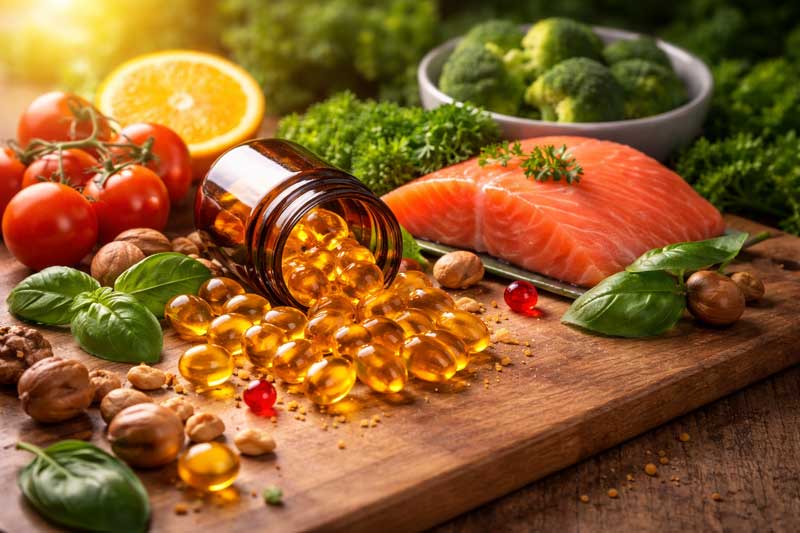 BY
Ayurveda Admin | 17 Mar 2026
BY
Ayurveda Admin | 17 Mar 2026 Coenzyme Q10, commonly known as CoQ10, is a naturally occurring compound that plays a crucial role in your body's energy production. Despite being present in every cell, many people are unfamiliar with this vital nutrient and its potential health benefits. In this post, we'll explore what CoQ10 is, why it matters, and how you can ensure you're getting enough.
What Is Coenzyme Q10?
Coenzyme Q10 is a fat-soluble, vitamin-like substance found in every cell of your body. It's particularly concentrated in organs that require significant energy, such as your heart, liver, kidneys, and pancreas. Your body produces CoQ10 naturally, but production tends to decline with age.
CoQ10 exists in two main forms:
- Ubiquinone: The oxidized form
- Ubiquinol: The reduced, active antioxidant form
The Role of CoQ10 in Your Body
Energy Production
CoQ10's primary function is to help generate energy in your cells' mitochondria—the powerhouses of your cells. It's essential for producing adenosine triphosphate (ATP), the energy currency your body uses for virtually all cellular processes.
Antioxidant Protection
Beyond energy production, CoQ10 acts as a powerful antioxidant, protecting your cells from oxidative damage caused by free radicals. This antioxidant activity is particularly important for protecting cell membranes and preventing the oxidation of LDL cholesterol.
Potential Health Benefits
Heart Health
Research suggests that CoQ10 may benefit cardiovascular health in several ways:
- Supporting healthy blood pressure levels
- Improving symptoms in people with heart failure
- Enhancing recovery after cardiac procedures
- Protecting the heart muscle from oxidative stress
Energy and Exercise Performance
For athletes and active individuals, CoQ10 supplementation may help:
- Reduce exercise-induced oxidative stress
- Improve physical performance
- Decrease fatigue
- Speed up recovery time
Brain Health
The brain is highly susceptible to oxidative damage due to its high fatty acid content and intense metabolic activity. CoQ10's antioxidant properties may help:
- Protect brain cells from oxidative stress
- Support cognitive function
- Potentially slow age-related cognitive decline
Skin Health
CoQ10 is increasingly popular in skincare products because it may:
- Reduce oxidative damage from UV rays
- Decrease the depth of wrinkles
- Improve skin texture and tone
- Support the skin's natural antioxidant systems
Who Might Need CoQ10 Supplementation?
Several factors can reduce your body's CoQ10 levels:
Age
CoQ10 production naturally declines after age 20, with significant decreases occurring after age 40.
Statin Medications
Cholesterol-lowering statin drugs can reduce CoQ10 levels by up to 40%, which may contribute to the muscle pain some people experience while taking these medications.
Certain Health Conditions
People with heart disease, neurodegenerative disorders, diabetes, or cancer may have lower CoQ10 levels.
Nutrient Deficiencies
Deficiencies in vitamin B6, which is needed for CoQ10 synthesis, can affect your body's ability to produce this compound.
Food Sources of CoQ10
While your body produces CoQ10, you can also obtain it from food sources:
Best sources:
- Organ meats (heart, liver, kidney)
- Fatty fish (salmon, tuna, mackerel)
- Whole grains
- Spinach and broccoli
- Nuts and seeds
However, it's important to note that food sources provide relatively small amounts of CoQ10 compared to supplements. You would need to consume large quantities to match the doses used in research studies.
CoQ10 Supplementation: What You Need to Know
Dosage
Typical supplemental doses range from 90-200 mg per day, though some conditions may benefit from higher doses (up to 500 mg daily). Always consult with a healthcare provider before starting supplementation.
Absorption
CoQ10 is fat-soluble, so it's best absorbed when taken with a meal containing fat. Some supplements use enhanced formulations (like ubiquinol or solubilized forms) for better absorption.
Safety and Side Effects
CoQ10 is generally well-tolerated. Mild side effects may include:
- Digestive upset
- Nausea
- Headaches
- Insomnia (if taken late in the day)
Interactions
CoQ10 may interact with certain medications, including:
- Blood thinners (warfarin)
- Blood pressure medications
- Chemotherapy drugs
Always inform your healthcare provider about all supplements you're taking.
The Bottom Line
Coenzyme Q10 is an essential compound that supports energy production and provides antioxidant protection throughout your body. While your body produces CoQ10 naturally, levels decline with age and certain medications can deplete it further.
For many people, especially those over 40, taking statins, or dealing with certain health conditions, CoQ10 supplementation may offer real benefits. However, as with any supplement, it's important to consult with a healthcare provider to determine if CoQ10 is right for you and what dosage would be appropriate.
Whether through diet, supplementation, or a combination of both, ensuring adequate CoQ10 levels may be an important part of supporting your overall health and vitality as you age.