
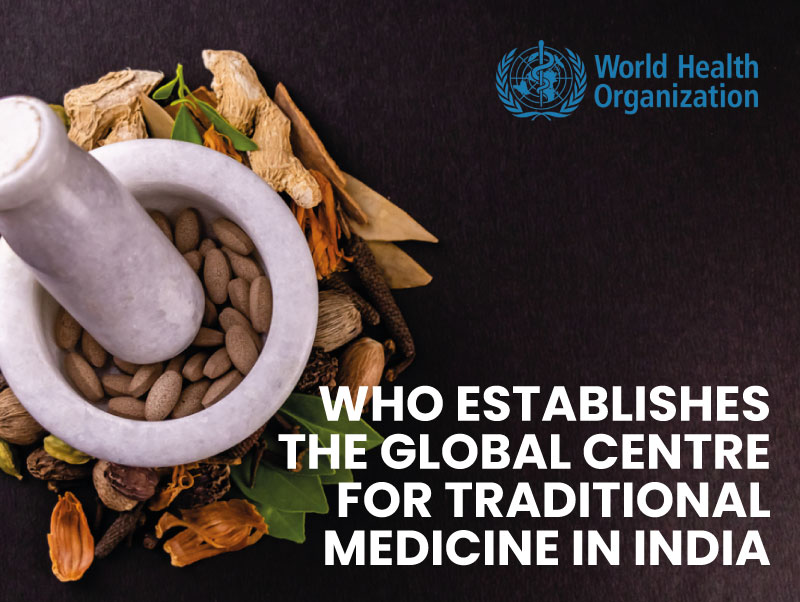
The World Health Organization (WHO) and the Government of
India today signed an agreement to establish the WHO Global Centre for
Traditional Medicine. This global knowledge centre for traditional medicine,
supported by an investment of USD 250 million from the Government of India,
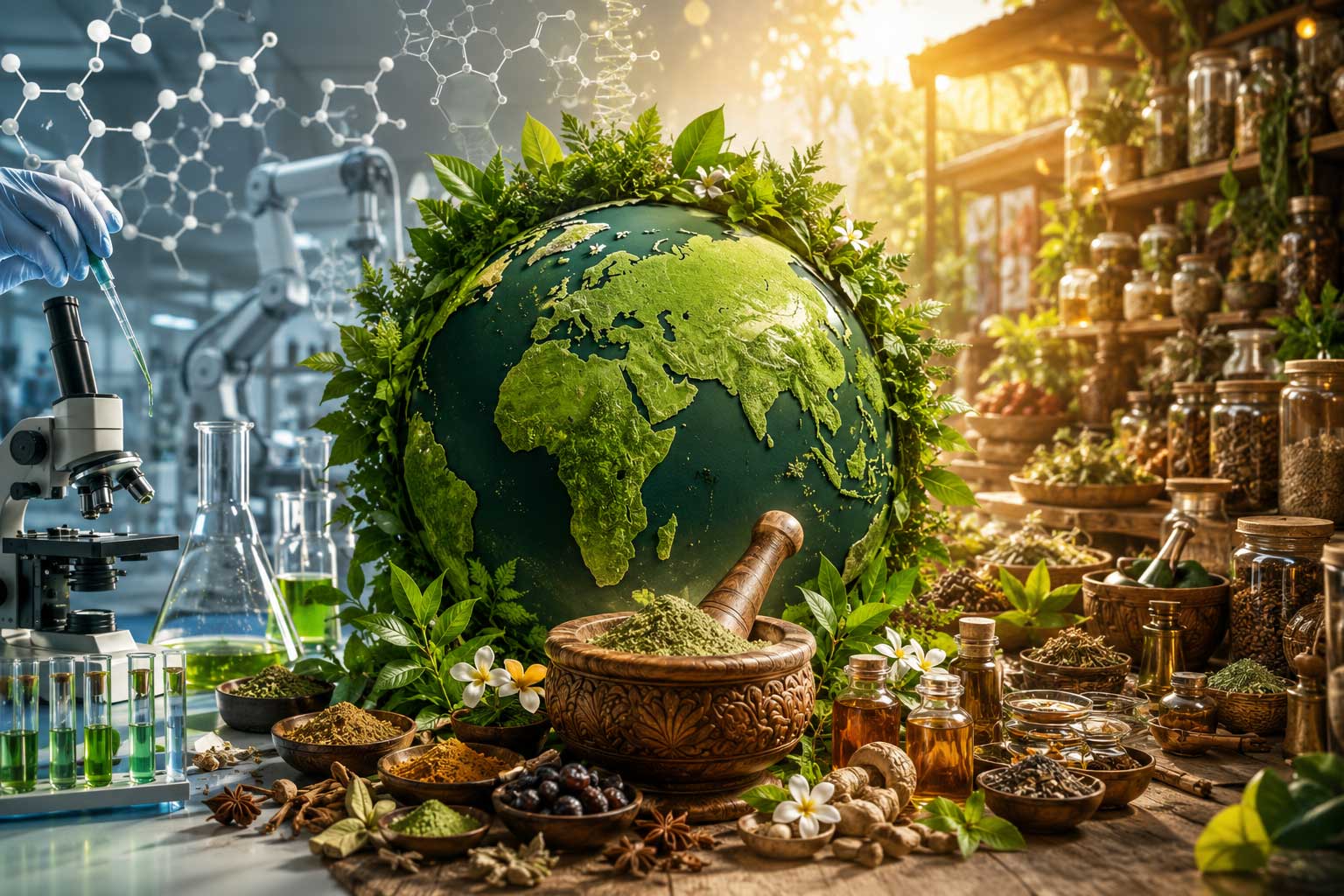
aims to harness the potential of traditional medicine from across the world
through modern science and technology to improve the health of people and the
planet.
Around 80% of the world’s population is estimated to use
traditional medicine. To date, 170 of the 194 WHO Member States have reported
the use of traditional medicine, and their governments have asked for WHO’s
support in creating a body of reliable evidence and data on traditional
medicine practices and products.
“For many millions of people around the world, traditional
medicine is the first port of call to treat many diseases,” said Dr Tedros
Adhanom Ghebreyesus, WHO Director-General. “Ensuring all people have access to
safe and effective treatment is an essential part of WHO’s mission, and this
new center will help to harness the power of science to strengthen the evidence
base for traditional medicine. I’m grateful to the Government of India for its
support, and we look forward to making it a success.”
The term traditional medicine describes the total sum of the
knowledge, skills and practices indigenous and different cultures have used
over time to maintain health and prevent, diagnose and treat physical and
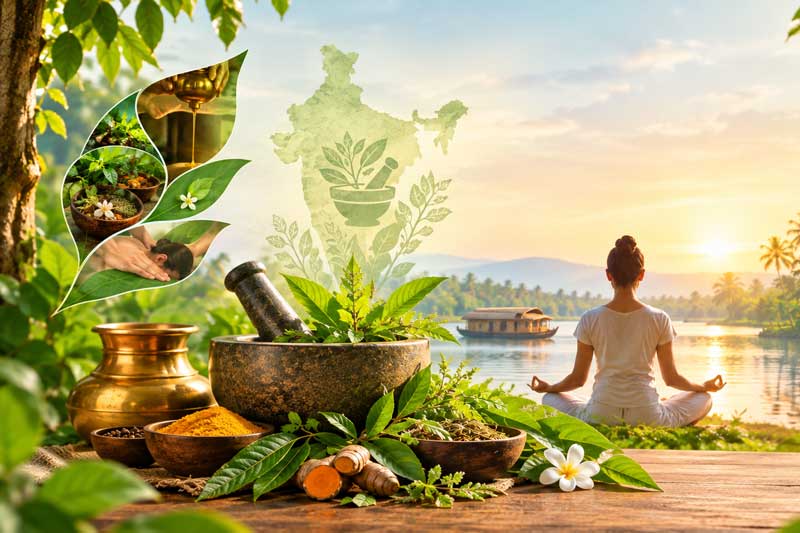
mental illness. Its reach encompasses ancient practices such as acupuncture,
ayurvedic medicine and herbal mixtures as well as modern medicines.
But today, national health systems and strategies do not yet
fully integrate the millions of traditional medicine workers, accredited
courses, health facilities, and health expenditures.
“It is heartening to learn about the signing of the Host
Country Agreement for the establishment of Global Centre for Traditional
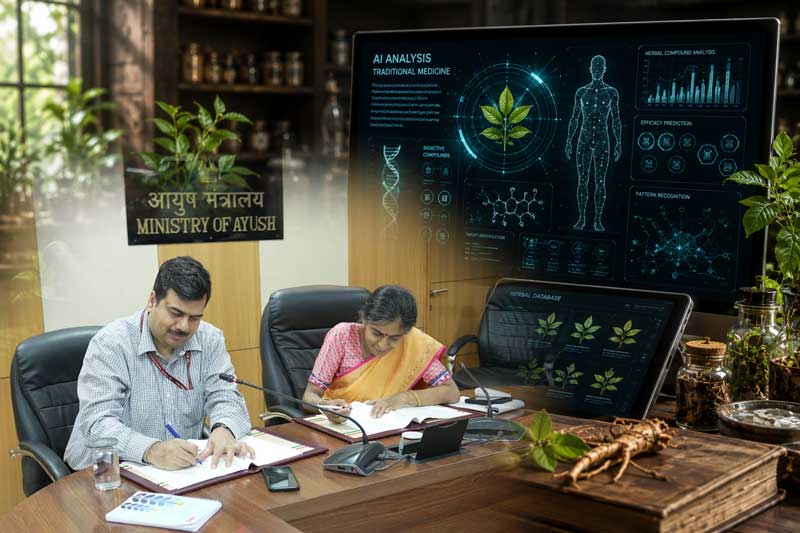
Medicine (GCTM). The “agreement between Ministry of Ayush and World Health
Organization (WHO) to establish the WHO-GCTM at Jamnagar, Gujarat, is a
commendable initiative,” said HE (Mr) Narendra Modi, Prime Minister of India.
“Through various initiatives, our government has been
tireless in its endeavour to make preventive and curative healthcare,
affordable and accessible to all. May the global centre at Jamnagar help in
providing the best healthcare solutions to the world.”
Traditional medicine is also increasingly prominent in the
world of modern science.
Some 40% of approved pharmaceutical products in use today
derive from natural substances, highlighting the vital importance of conserving
biodiversity and sustainability. For example, the discovery of aspirin drew on
traditional medicine formulations using the bark of the willow tree, the
contraceptive pill was developed from the roots of wild yam plants and child
cancer treatments have been based on the rosy periwinkle. Nobel-prize winning research
on artemisinin for malaria control started with a review of ancient Chinese
medicine texts.
There has been a rapid modernization of the ways traditional
medicine is being studied. Artificial intelligence is now used to map evidence
and trends in traditional medicine and to screen natural products for
pharmacokinetic properties. Functional magnetic resonance imaging is used to
study brain activity and the relaxation response that is part of some
traditional medicine therapies such as meditation and yoga, which are
increasingly drawn on for mental health and wellbeing in stressful times.
In addition, traditional medicine use has also been updated
by mobile phone apps, online classes, and other technologies.
The new WHO centre will be established in Jamnagar, Gujarat,
India. While Jamnagar will serve as the hub, the new centre is being designed
to engage and benefit all regions of the world.
It will concentrate on building a solid evidence base for
policies and standards on traditional medicine practices and products and help
countries integrate it as appropriate into their health systems and regulate
its quality and safety for optimal and sustainable impact.
The new centre focuses on four main strategic areas:
evidence and learning; data and analytics; sustainability and equity; and
innovation and technology to optimize the contribution of traditional medicine
to global health and sustainable development.
The onsite launch of the new WHO global centre for traditional
medicine in Jamnagar, Gujarat, India will take place on April 21, 2022.