

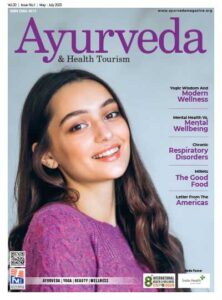


Kerala Tourism Minister Relaunches Ayurveda and Health Tourism Website — www.ayurvedamagazine.org
In Kerala, where Ayurveda is woven into the cultural fabric and generations have grown up with its healing traditions, taking this heritage to a global audience is a natural extension of its legacy. The revamped Ayurveda and Health Tourism website was relaunched by Kerala Tourism Minister PC Vishnunadh in Thiruvananthapuram on October 28 in the presence of Editor and Publisher Benny Thomas. It signals a fresh chapter for Ayurveda and Health Tourism, a much-sought-after quarterly magazine published from Kerala, widely recognised as a cradle of authentic Ayurveda. The Minister said, “I am very happy that Ayurveda Magazine is doing a wonderful job to promote Keralam’s authentic Ayurveda to the entire world. This year, Kerala tourism’s main focus is authentic Ayurveda, yoga, wellness, and Ayurveda-led wellness. Keralam aims to be a medical value tourism hub. So, on behalf of the Government of Kerala and the Department of Tourism, I wish all the best to Ayurveda Magazine.” The relaunch marks a renewed digital journey for a publication dedicated to India’s traditional systems of health and wellness for over 25 years. The platform seeks to bring the magazine’s rich editorial universe to a wider readership, connecting India’s wellness heritage with the growing global interest in holistic health and therapeutic travel. Its coverage spans Ayurveda, Yoga, lifestyle, wellness, Naturopathy, medicinal herbs, research papers, and the latest developments in traditional medicine by doctors and experts. For readers exploring wellness opportunities in India, the website is a gateway to treatment experiences, wellness destinations, and the diverse practices of the nation’s health tourism landscape. Research-led content sits alongside personal narratives, celebrity patient endorsements and the enduring charm of grandmothers’ remedies—traditional household wisdom passed down through generations. This blend of science, experience and cultural memory gives the platform a distinctive identity. While research and current developments encourage informed engagement with Ayurveda, familiar home remedies reconnect readers with traditions long been part of Indian family life. Responsible presentation of health information remains essential, particularly when distinguishing traditional practices from scientifically established treatments. The relaunch also reflects ways travellers discover wellness destinations. Increasingly, digital platforms help them explore therapies, understand traditions, and make informed choices before embarking on a health-focused journey. With Keralam as its home base, Ayurveda and Health Tourism is positioned to tell a wider story: one in which India’s ancient healing knowledge meets contemporary curiosity and global wellness aspirations. The website’s renewed presence is therefore more than a digital milestone. It is an opportunity to carry India’s wellness narrative beyond geographical boundaries and make the conversation around Ayurveda more accessible to readers around the world.

Keralam Wants the World to See More Than Its Postcard
Keralam has long known how to sell its postcard — the languid backwaters, green hills, beaches and coconut-lined villages. But Chief Minister V D Satheesan was keen to impart something more: the Keralam that lies beyond the postcard, on September 14 in Thiruvananthapuram.

Is Sugar Needed in Anganwadi Nutrition Mix, asks Keralam Child Rights Panel
A seemingly routine ingredient in a staple meant to nourish Kerala’s youngest children has come under scrutiny, with the state’s child rights watchdog questioning whether sugar belongs in the nutritional mix served through anganwadis, in Thiruvananthapuram.
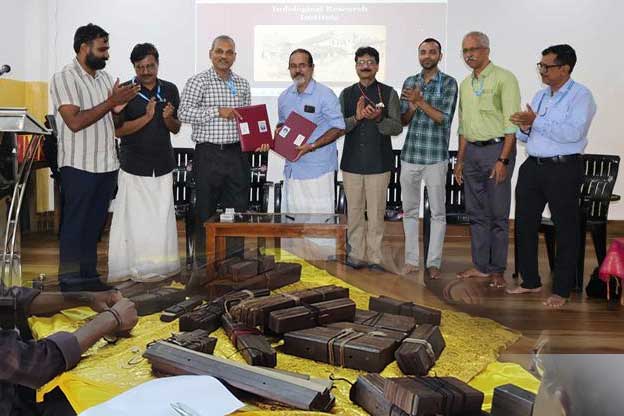
Kerala’s Medical Manuscripts Enter the Digital Age
Hundreds of rare medical manuscripts preserved for generations at the Sevadhi Museum and Indological Research Institute (SEMIRI), Kumaranalloor, Kottayam, Kerala, are set to enter the digital domain under a new collaboration aimed at protecting Kerala’s traditional medical heritage from the risks of age and physical deterioration.

Steps Afoot to Turn Kerala into Global Ayurveda Tourism Hub
Kerala’s long-standing reputation as an Ayurveda destination is getting a fresh policy push, with the Centre stepping up measures to promote Ayush-based medical and wellness tourism and position India as a global hub for traditional healthcare.
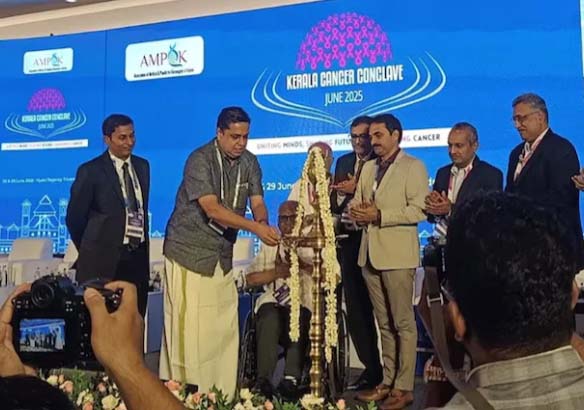
Surge in cancer cases in Kerala, say doctors at Kerala Cancer Conclave
Among men, lung cancer leads with 14 per cent cases followed by oral cavity and colorectal cancers at 10 per cent each. The incidence of prostate cancer and liver cancer is pegged at 9 per cent and 8 per cent respectively. In women, breast cancer tops at 34 per cent followed by cancers of thyroid (11 per cent), colorectal (9 percent), uterus (6 per cent) and ovary (4 per cent). He said liver cancer has increased among both the genders in the last two decades.
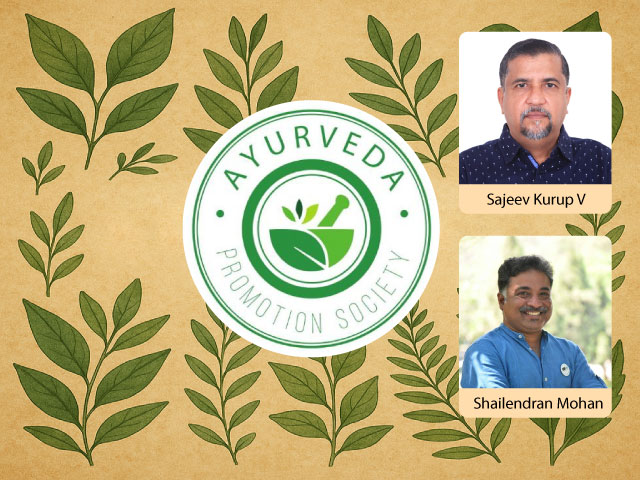
Sajeev Kurup Elected Ayurveda Promotion Society’s President
As the society aims to elevate Kerala Ayurveda to a globally recognised brand, the newly elected leadership reaffirmed their commitment to advancing traditional Ayurvedic medicine and wellness on the international stage.