
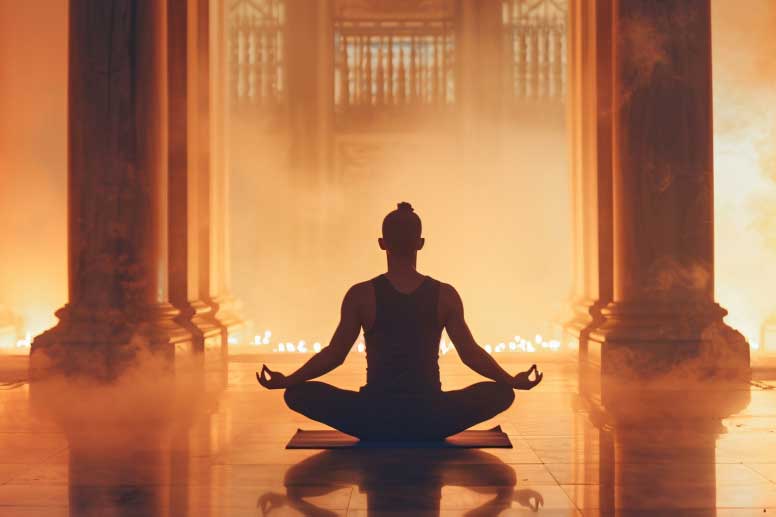
We often treat emotional distress by quieting its symptoms, through medication or meditation, without addressing what created it in the first place. Ayurveda offers a deeper perspective: healing begins not with controlling emotions, but with transforming the thoughts that give birth to them. This is the principle behind Chit Yog Sadhana©.
A thought repeated becomes a Vritti. A Vritti repeated becomes a Samskara. A Samskara left unexamined can contribute to disease. Why neither the pill nor the meditation cushion alone can break this chain, and what the Vaidya must do instead.
In more than four decades of clinical practice, I have watched the language of human suffering change. Patients once came speaking of Chinta (anxiety) or Shoka (grief). Today, they arrive with diagnoses such as panic disorder, burnout, chronic depression, IBS and autoimmune conditions. Many carry two lists: chemical prescriptions and mindfulness apps. Yet, beneath modern medical terminology lies the same fundamental disturbance that Maharishi Patanjali identified and Acharya Charaka addressed: the restless movement of the mind, the Vritti.
Modern medicine often seeks to regulate symptoms through pharmaceuticals, while wellness practices offer relaxation through meditation and breathing exercises. Neither alone necessarily transforms the underlying thought patterns. This is where Sattvavajaya Chikitsa (Ayurvedic psychotherapy and mental restraint) becomes essential. It is not an optional addition to Ayurvedic treatment, but a central component.
From Thought to Disease: Understanding the Genesis Chain
Western psychology often examines how emotions affect the brain. Ayurveda asks a deeper question: where did the emotion originate?
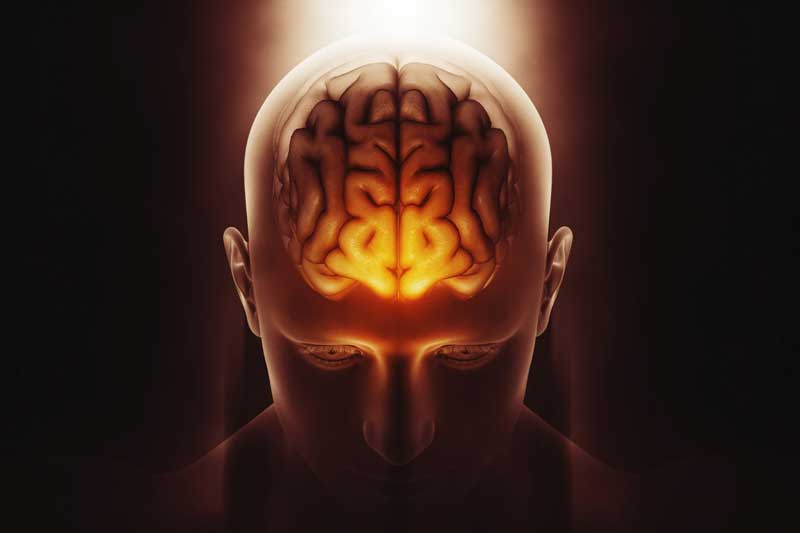
Classical Ayurveda distinguishes Mastishka (the physical brain) from Manas (the mind), which is constantly moving (Chanchala) and generating thoughts or Vrittis (C.Sha. 1.18–21; YS 1.2).
In my clinical approach, every emotional disturbance follows five links:
- Mind State: The balance of Sattva (clarity), Rajas (agitation) and Tamas (inertia).
- Thought (Vritti): The perception or mental story generated.
- Deed (Karma): The action or reaction arising from that thought.
- Impact: The consequences of that action.
- Emotion: The resulting psychological and physical response.
When Rajas and Tamas dominate, thoughts become reactive and emotions distressing. This reflects Pragya Aparadh, or failure of Dhi, Dhriti and Smriti (C.Sha. 1.102). The presenting emotion is the last link, not the first. Treating it without examining its originating thought can leave the underlying problem unresolved.
Where Suppressed Thoughts Become Disease
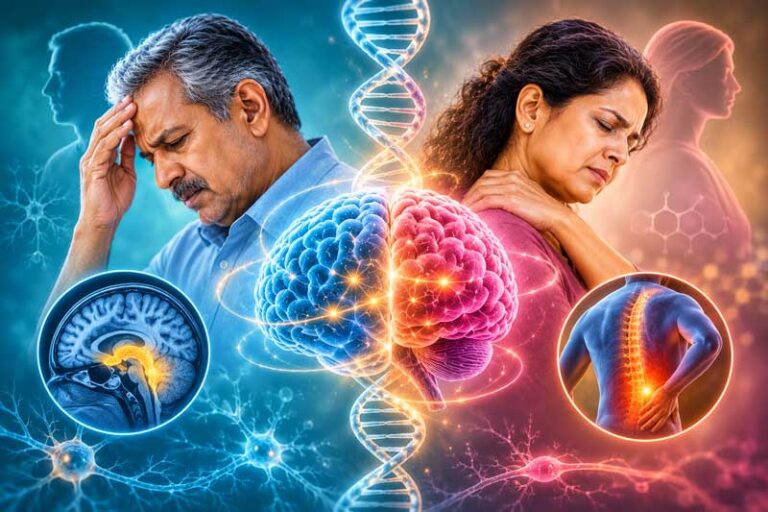
Anger (Krodha), for instance, may originate in resentment, humiliation, insecurity, jealousy or unmet expectations. Anxiety (Chinta), fear (Bhaya) and sadness (Vishada) may arise from rejection, unresolved trauma or feeling disrespected.
Two patients with identical diagnoses may therefore have entirely different emotional roots. A Vaidya must look beyond the diagnosis to identify the underlying Vritti.
Unresolved thoughts may become Samskaras (deeply ingrained impressions), influencing behaviour, breathing, posture and bodily responses. Ayurveda describes disturbances in Manovaha Srotas through Atipravritti (hyperactivity), Sanga (stagnation) and Vimarga Gamana (misdirection).
In my clinical framework, prolonged emotional distress may interact with digestive and metabolic disturbances, affecting Agni and contributing to Ama formation. This is why emotional assessment must complement physical treatment.
Why Meditation Alone Is Not Enough
Pranayama and Dhyana can promote relaxation, but observing a Vritti is not the same as transforming it. A patient may experience temporary calm during meditation and return to the same resentments and destructive thought patterns afterwards.
Without Svatma Vichara (self-inquiry) and Pratipaksha Bhavana (cultivating opposing thoughts) (YS 2.33), meditation may become a form of spiritual bypassing.

Chit Yog Sadhana©: A Three-Step Roadmap
Charaka describes mental therapy as Sattvavajaya Chikitsa, restraining and redirecting the mind away from unwholesome influences (C.Su. 11.54). Chit Yog Sadhana© is the practical framework I have developed over four decades to apply this principle through three steps.
Step 1: Stabilising the Vessel
The 21-Meal Mind Audit examines weekly food choices through three Ayurvedic categories:
▶ Sattvic foods promote clarity and balance.
▶ Rajasic foods are traditionally associated with agitation and restlessness.
▶ Tamasic foods are associated with heaviness and inertia.
Alongside appropriate nutrition and Dinacharya (daily routine), this step aims to strengthen Dhi, Dhriti and Smriti.
Step 2: Nourishing the Mind
This step combines individualised Medhya herbs such as Brahmi, Mandukaparni and Shankhapushpi, appropriate therapies such as Shirodhara, and a simple nightly review (Svadhyaya).
Before sleeping, patients examine their thoughts, actions and unresolved expectations. This encourages daily emotional processing rather than allowing unresolved concerns to accumulate.
Step 3: Transforming the Root Vritti
Once the mind becomes steadier, patients identify underlying fears, resentments and negative beliefs. Through Pratipaksha Bhavana, they consciously cultivate healthier opposing thoughts. The objective is not to erase memories but to reduce their emotional charge and influence over present behaviour.
Chit Yog Sadhana© complements existing medical treatment; it does not replace psychiatric care or justify abruptly stopping prescribed medication.
Guidance for Vaidyas and Seekers
For Vaidyas, the priority is to look beyond the presenting emotion, stabilise the patient’s physical health before deeper emotional work, and monitor progress through appropriate clinical assessment.
For seekers, the practice is equally simple: review your day before sleep, examine the fears and expectations behind strong emotional reactions, and combine meditation with self-inquiry.
The Way Forward
Pharmaceuticals can help manage suffering, and breathwork can promote physical calm. But lasting emotional wellbeing also requires examining and transforming the thought patterns that influence our responses.
By bridging classical Sattvavajaya Chikitsa with Chit Yog Sadhana©, Ayurveda offers a structured approach to emotional healing, helping individuals move towards greater physical vitality, resilience and enduring peace of mind.