
Kerala’s
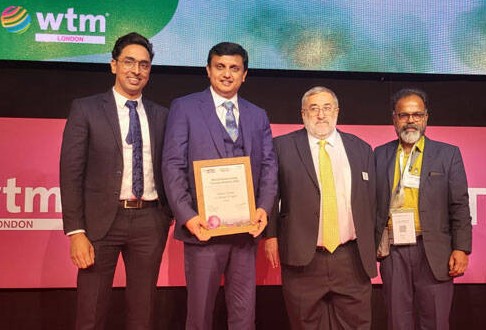
sustainable and inclusive tourism project STREET has received a global award
at the World Travel Market (WTM) London in recognition of the water
conservation initiatives successfully carried out as part of the
community-oriented destination development plans.
STREET—which stands for Sustainable, Tangible, Responsible, Experiential, Ethnic
Tourism — is a participatory tourism development approach evolved on the basis
of UNWTO’s motto ‘Tourism for Inclusive Growth’. The project is being
implemented as part of the globally acclaimed Responsible Tourism initiative of
the Kerala Tourism Department.
The state
bagged the award for the commendable work it carried out for ‘Conserving Water
and Improving Water Security and Supply for Neighbours’.
“It’s a
proud moment for Kerala Tourism and its Responsible Tourism initiative…The
award is for the water conservation initiative taken up under the STREET project,
which is a first-of-its-kind initiative in the world. This award comes as an
inspiration for Kerala Tourism to move forward with more new initiatives..,”
said Tourism Minister P A Mohammad Riyas.
“…The Kerala
Government will continue its focus on ensuring that local communities actively participate
in tourism activities across the state, thereby ensuring more economic benefits
to the community,” he added.
The project
focuses on a theme-based street development approach at tourism destinations to
reduce the over-concentration of activities at core centers, widen the area of
interest for visitors, and maximize the local community benefit.
‘Water
Street’ is one major stream of the ‘STREET’ Project, successfully implemented
at Maranvanthuruthu panchayat in the Kottayam district near the world-renowned RT
destination Kumarakom.
As part of
the project, 18 canals, three rivers, and a backwater stretch flowing through
the area have been cleaned and deepened as the combined effort of the local
community, RT Mission units, and the local panchayat.
The banks of
the canal were protected with coir rapping and the cultivation of flowers and herbal
and vegetable plants. Once the free flow of clean water was ensured,
water-related tourism activities like kayaking, rowing country boats, shikkara
trips etc were taken up and the marketing of local products and live fishing
activities were organized.
ENDS