
In an age when Artificial Intelligence is revolutionising healthcare, can Ayurveda help address the growing challenges of an ageing population?
Introduction
Globally, about 10.4–10.7% of the population—roughly 855 million people—are aged 65 and above. In India, the figure is approximately 7.4%, or 108 million, according to UNFPA’s 2025 population profile.
Although India’s population is younger than the global average, its absolute number of older people is large and rising as life expectancy increases and fertility declines.
In Kerala, people aged 60 and above accounted for around 15% of the population in 2021, a proportion projected to reach 30% by 2051, according to the International Institute of Migration and Development.
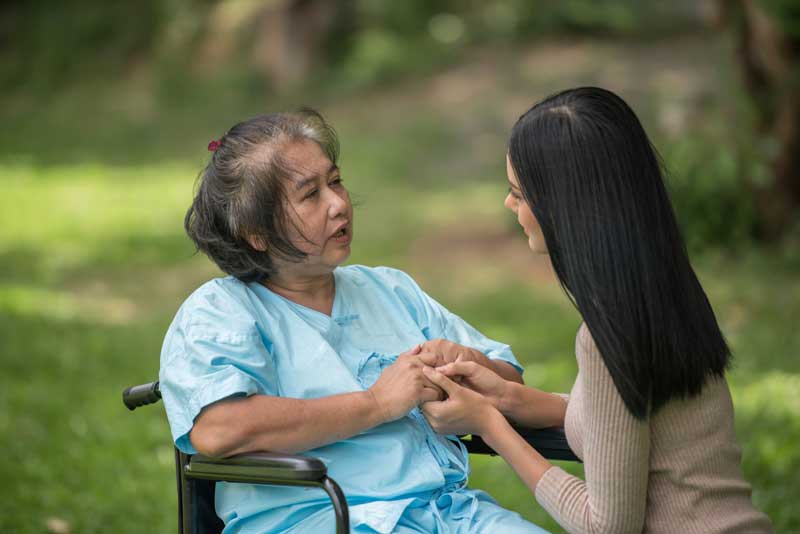
This demographic shift presents a major challenge: not merely extending life, but ensuring that added years are lived in good health, with dignity, independence, and quality of life. Can Ayurveda contribute to geriatric care through artificial intelligence (AI)?
Ayurveda, Longevity and Healthy Ageing
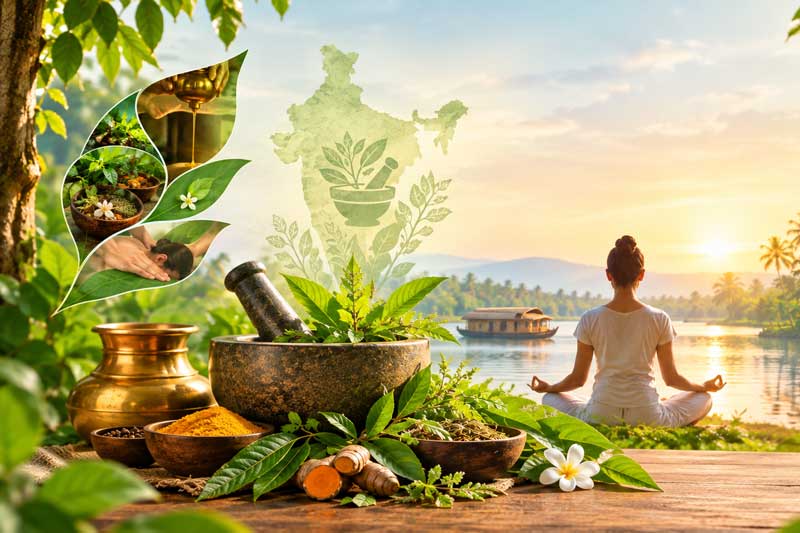
Ayurveda has been serving people for centuries, particularly in Kerala. Its distinguishing feature is its emphasis on maintaining health and vitality throughout life. It views ageing as natural and seeks to preserve strength, balance, and independence.
Longevity is not synonymous with healthy ageing. The objective should be to extend the years during which people remain physically active, mentally alert, and capable of independent, dignified living.
Ayurvedic Practices Relevant to Geriatric Care
Several Ayurvedic concepts are relevant to older people. Rasayana concerns rejuvenation and preservation of vitality, though its effectiveness requires scientific assessment.
Pathya refers to wholesome diet and regimen, while Ahara emphasises food suited to individual constitution, digestive capacity, and stage of life. Herbs such as Amla, Ashwagandha, and Brahmi are commonly used. However, potential interactions with prescribed medicines and contamination of certain products with harmful metals make qualified medical advice essential.
Ayurveda also emphasises Swasthavritta (daily routines) and Vihara (lifestyle and physical activity). Adapted exercise and regular routines may help preserve mobility, balance, and emotional well-being. These principles should complement, not replace, proven medical treatment.
Ayurveda and Mental Health
Ageing brings challenges beyond physical illness. Bereavement, loneliness, declining mobility, and reduced independence can affect emotional well-being. Depression, anxiety, dementia, and Alzheimer’s disease are important concerns.
Ayurveda recognises the mind-body relationship. Yoga, meditation, and calming routines, adapted to individual needs, may complement conventional care. Equally important are companionship, meaningful activities, and social engagement. No system of medicine can replace the emotional support of human relationships.
Ayurveda and Modern Medicine: A Complementary Approach
Ayurveda pays attention to diet, lifestyle, individual needs, and the mind-body relationship. Modern medicine provides established methods for diagnosing diseases, managing chronic conditions, and evaluating treatment safety and effectiveness. Where appropriate, both may complement one another under professional supervision and scientific guidance.
AI and Ayurveda: A Framework for Responsible Integration
AI is transforming healthcare through early disease detection, personalised treatment recommendations, remote monitoring, and medical record management. However, healthcare must not be reduced to diagnosis and treatment alone. Technology should strengthen, rather than diminish, its human dimension.
How AI Could Strengthen Ayurveda
Ayurveda faces challenges in establishing the scientific validity of diagnostic methods, evaluating treatment efficacy, and ensuring herbal medicine safety. AI could assist researchers, although it cannot independently establish treatment effectiveness.
Tridosha refers to Vata, Pitta, and Kapha, traditionally used to understand bodily and mental processes. These relate to Prakriti, an individual’s constitutional type.
AI-based analysis could investigate whether measurable patterns in genomic markers, metabolomic profiles, heart rate variability, and other biological data correspond to traditional classifications. Machine learning could identify statistical patterns in large datasets and examine whether Prakriti categories have measurable biological correlates.
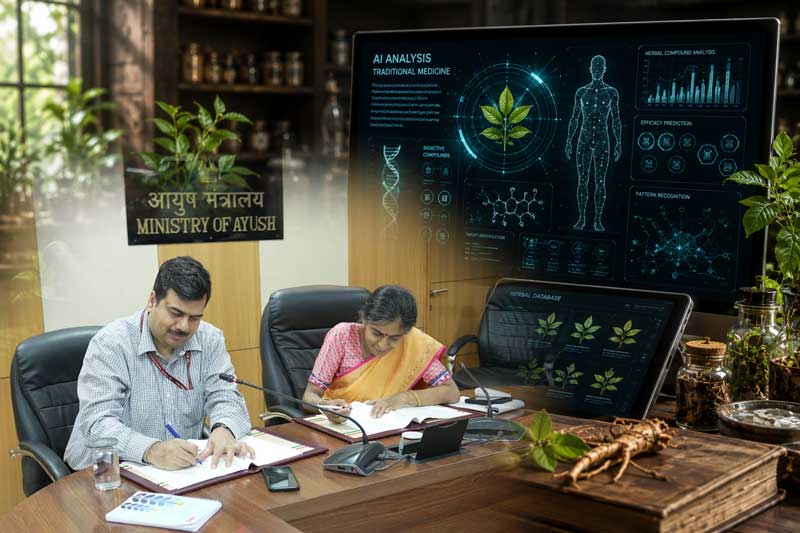
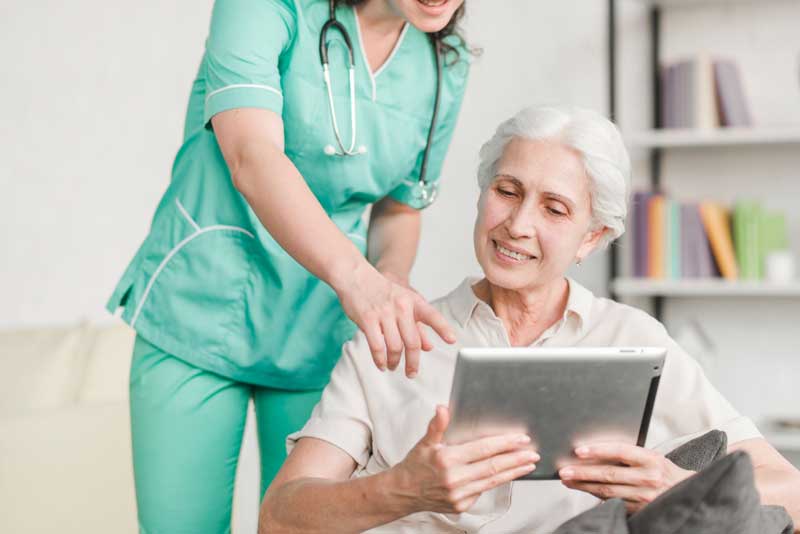
AI might also assess diagnostic methods such as Nadi Pariksha through pulse-waveform analysis. Other applications include chronic disease management, wearable-based monitoring of mobility and sleep, remote healthcare, traditional-text analysis, drug discovery, clinical trial optimisation, and detection of herb-drug interactions and contamination.
AI could identify Rasayana formulations that merit scientific investigation and help develop personalised care plans that integrate Prakriti, nutrition, and medical history. However, rigorous validation remains essential.
The WHO’s Global Traditional Medicine Strategy 2025–2034 emphasises scientific evidence, safety, quality, and responsible integration. AI-assisted findings must likewise meet standards of transparency, reproducibility, independent verification, and peer review. Clinical decisions must remain subject to professional judgement.
India has an opportunity to bring its traditional medical heritage into constructive dialogue with modern science.
National Initiatives on Ayurveda for the Elderly
India’s Ministry of Ayush supports geriatric healthcare through national programmes. The National Ayush Mission promotes healthy ageing through initiatives such as Vayo Mitra, while the Ayurswasthya Yojana includes public health components addressing geriatric care.
State Initiatives
Kerala, with its elderly population and long association with Ayurveda, is well placed for innovation. The Kerala Senior Citizens’ (Care and Protection of Rights) Bill, 2026, offers a legislative basis for strengthening elderly care.
Kerala could pilot integrated models, integrating evidence-based Ayurvedic preventive practices, modern medical monitoring, and AI-assisted remote care, particularly in rural areas, generating evidence for future policy.
The Future: Bringing Wisdom and Technology Together
The future holds potential for a partnership between Ayurveda, modern medicine, and AI, each complementing the others to promote holistic, effective, and personalised healthcare.
Success should ultimately be measured by tangible improvements in people’s lives, especially older citizens.
The real promise lies not in choosing between ancient wisdom and modern technology but in bringing them together judiciously to foster a healthier, more humane society. The task is neither to romanticise tradition nor worship technology, but to hold both to standards of evidence and human benefit—especially for those in later life who deserve the wisdom of the past and the best the future can offer.