
Ayurveda- Prevailing Myths and Prejudices
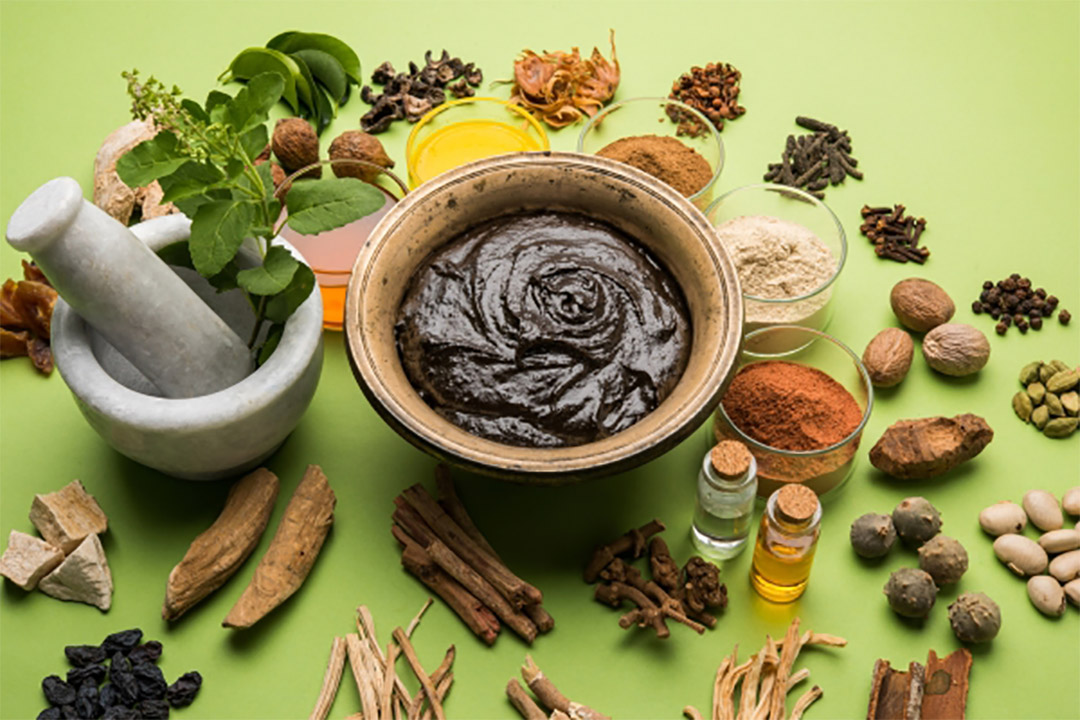
People believe that Ayurvedic treatments are meant for those who have time at their discretion. In Ayurvedic terms, either the medicines directly act on the disease, or it helps support the body to cure the disease by itself by balancing the tridoshas (Vata, Pitta and Kapha). Both are needed in the treatment of diseases. The medicines that belong to the first category are usually very potent and fast acting, while the action of the medicines in the latter group depends on the chronicity of the disease. Another important cause for the slow action is the lack of availability of genuine medicines. Many of the herbs, animal products and minerals mentioned in classics are not easily available now. This leads to adulterants and substitutes being used in place of the original raw- materials. Many of the available herbal drugs are either cultivated using chemical fertilizers or procured from contaminated areas. In addition to all these, there are problems associated with the preparation of the medicines as well. In the old days, the vaidyas prepared their own medicines or the patients prepared them on the instruction of the vaidya. The preparation of Ayurvedic medicines, which is analogous to cooking in some respects, has now changed drastically with medicines being manufactured on a commercial scale. Inevitably, the medicines available in the market today differ from those prepared by old school, similar to how tinned food differs from home- made food. Ayurveda classifies diseases into four categories – easily curable (Sukha sadhya), difficult to cure (Krichra sadhya), that can be controlled but not cured (Yapya) and that cannot be cured (Anupakrama). In case of an easilycurable condition, if a medicine prepared using original raw- materials in the right method is administered in the right way, the outcome will never be slow. A compromise on any of these factors compromises the effect of the medicine as well.