
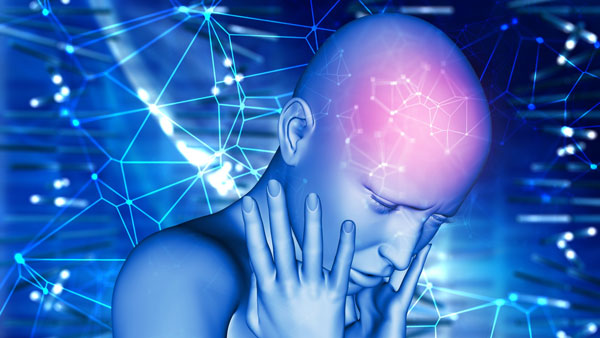
Scientists have found a brain chemical that
could be the cause of depression and suicidal tendency in people who endured
trauma and difficulties during childhood.
Neuroscientists from Universities in the
United States have identified a stress responsive protein, SGK1, linked to depression
among people who faced adversity and hardships during their younger days. They
found that high levels of SGK1 could lead to depression and suicidal
tendencies. This raises the prospect of finding new treatments and antidepressants
that block SGK1 activity and help ease the condition. While common
antidepressants like SSRIs are helpful for many people, they are less effective
for those who experienced early trauma, according to authorities. The
biological processes that lead to the condition may differ from those with less
stressful childhoods.
Researchers found in their study that 60%
of adults with major depression and a majority of those who attempted suicide
had some adverse experiences during childhood. They detected unusually high
levels of SGK1 in the blood of unmedicated patients with depression.
Hardships during childhood such as
physical, emotional, or mental abuse or growing in a broken family could be
predictors of depression in later life.