
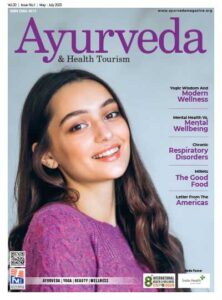


Kerala Tourism Minister Relaunches Ayurveda and Health Tourism Website — www.ayurvedamagazine.org
In Kerala, where Ayurveda is woven into the cultural fabric and generations have grown up with its healing traditions, taking this heritage to a global
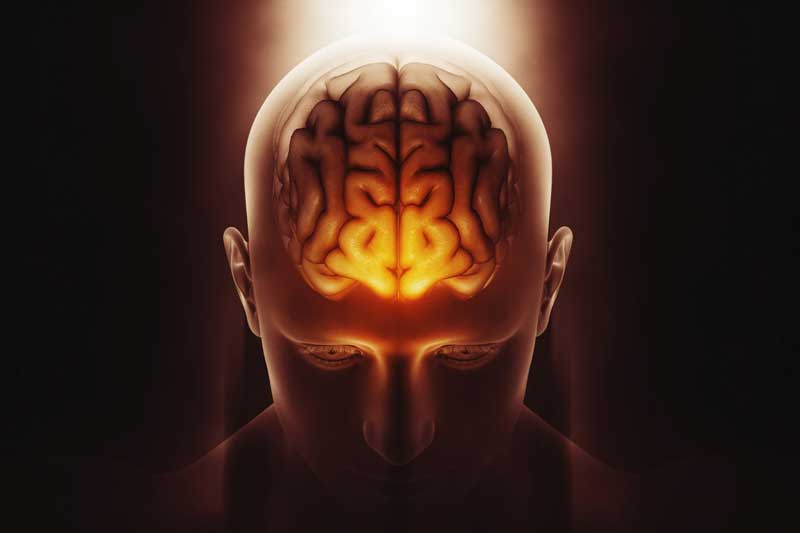
World Stroke Day: Ayurveda’s Timeless Wisdom Meets the Urgency of Modern Stroke Care
A stroke can transform an ordinary day into a life-altering crisis. A sudden loss of speech, a weakened limb, or a drooping face reminds one

Ayurveda at the Crossroads: Tradition Meets Evidence in Global Health
India’s 11th Ayurveda Day (Sept 23, 2026) under the banner ‘Ayurveda for a Healthier Tomorrow’ marks a pivotal moment. The theme echoes the nation’s ambition to fuse its centuries old wisdom with contemporary research, quality standards, and international health frameworks. The challenge is not only global outreach but also constructing the evidence and credibility needed for responsible worldwide adoption.
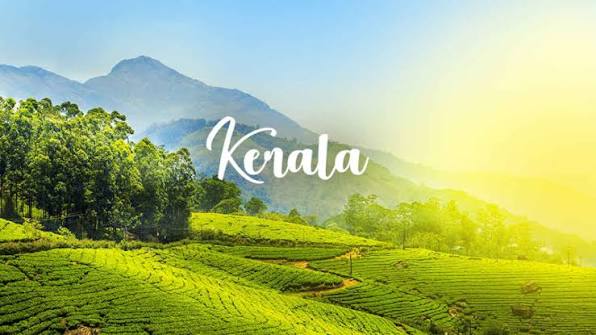
Keralam Wants the World to See More Than Its Postcard
Keralam has long known how to sell its postcard — the languid backwaters, green hills, beaches and coconut-lined villages. But Chief Minister V D Satheesan was keen to impart something more: the Keralam that lies beyond the postcard, on September 14 in Thiruvananthapuram.
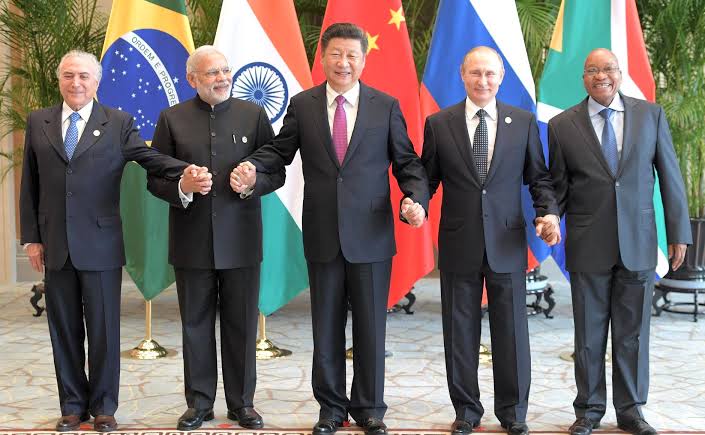
BRICS Gives Traditional Medicine a New Research Push
The BRICS (Brazil, Russia, India, China and South Africa) grouping has moved to deepen cooperation in traditional, complementary and integrative medicine (TCIM), with the New Delhi Declaration backing the proposed creation of a BRICS Expert Working Group on TCIM under the health track, on September 12, in New Delhi.
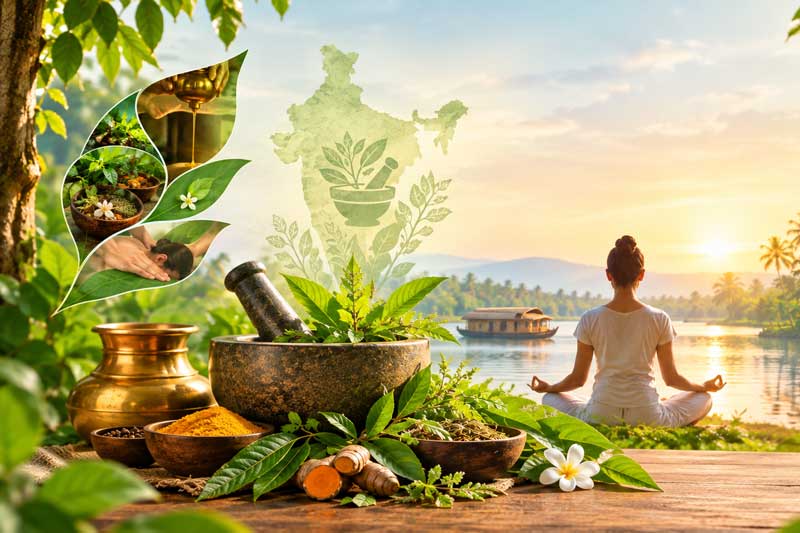
Ayurveda Day 2026 to Put Tradition at the Heart of Future Healthcare
Ayurveda is being positioned not merely as a legacy of India’s past, but as part of its healthcare future as the Centre unveiled plans for the 11th Ayurveda Day, to be observed in Nagpur, Maharashtra, on September 23.
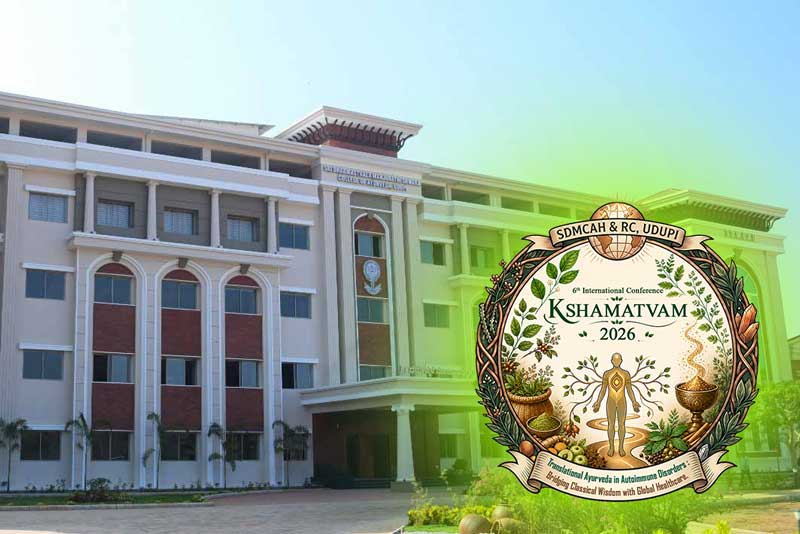
SDM Ayurveda Centre to Hold International Conference on Translational Ayurveda and Autoimmune Disorders
The S.D.M. College of Ayurveda, Hospital and Research Centre, Udupi, will conduct the sixth international conference on Translational Ayurveda in Autoimmune Disorders, KSHAMATVAM 2026, from September 30 to October 1 at the Bhavaprakasha Auditorium. A pre-conference workshop is scheduled for September 29.