
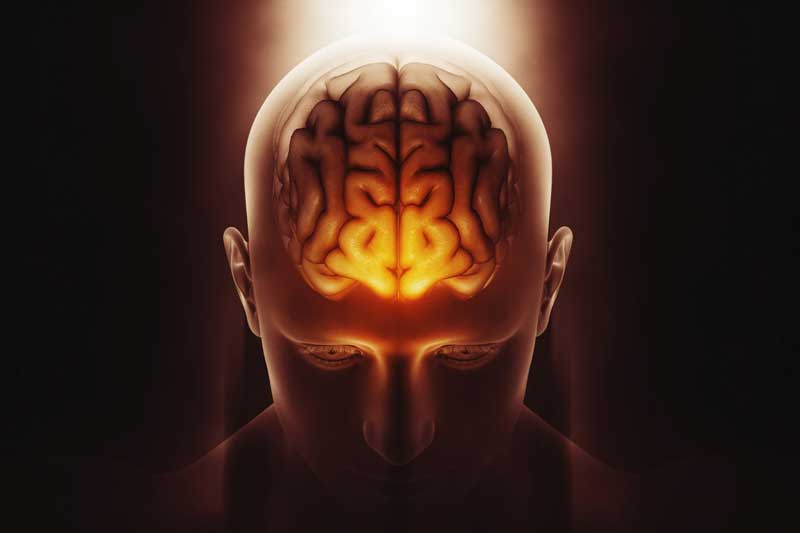
A stroke can transform an ordinary day into a life-altering crisis. A sudden loss of speech, a weakened limb, or a drooping face reminds one of how profoundly brain health shapes human independence. On October 29, World Stroke Day, Ayurveda offers a complementary perspective on prevention, healthy living, and rehabilitation — while modern medicine underscores one vital truth: every minute counts.
The global statistics are alarming. According to the World Health Organization, approximately 11.9 million new strokes occurred worldwide in 2021, and an estimated 93.8 million people were living with the consequences of stroke. The World Stroke Organization warns that one in four adults over the age of 25 will experience a stroke during their lifetime.
Ayurveda, India’s traditional system of medicine, views health as a balance of body, mind, diet, and daily routines. This has been discussed in classical Ayurvedic literature under conditions such as Pakshaghata, traditionally associated with derangement of Vata dosha. Although these concepts offer a traditional framework for understanding illness, they are not equivalent to the modern medical explanation of a stroke, which results from interrupted blood flow to the brain or bleeding within it.
Ayurveda’s preventive emphasis on balanced meals, regular physical activity, adequate sleep, stress management and disciplined daily habits resonates with established approaches to reducing stroke risk. Controlling blood pressure, diabetes and cholesterol, avoiding tobacco, and limiting excess salt remain essential.
However, traditional remedies must never replace emergency treatment. Sudden facial drooping, arm weakness or speech difficulty demands immediate hospital care. Do not delay treatment to try herbal preparations, massage or other home remedies.
For survivors, appropriately supervised rehabilitation may incorporate selected traditional practices alongside evidence-based physiotherapy, occupational therapy and speech therapy. Any Ayurvedic procedures should be done under expert care, as some products can interact with medicines or increase bleeding risks.
This World Stroke Day, the message is one of integration, not opposition. Ayurveda can encourage healthier living and holistic support, while modern emergency medicine provides essential acute treatment.
References: World Health Organisation, World Stroke Organisation, Ayurveda Literature