
As the international community celebrates the World
Environment Day, a small state nestled between the lush Western Ghats Mountains
on one side and the pristine waters of Arabian Sea on the other, is focused on
a novel initiative: setting up or developing Ayurveda medicinal farms and
botanical gardens, thereby, adding to the nature’s green cover.
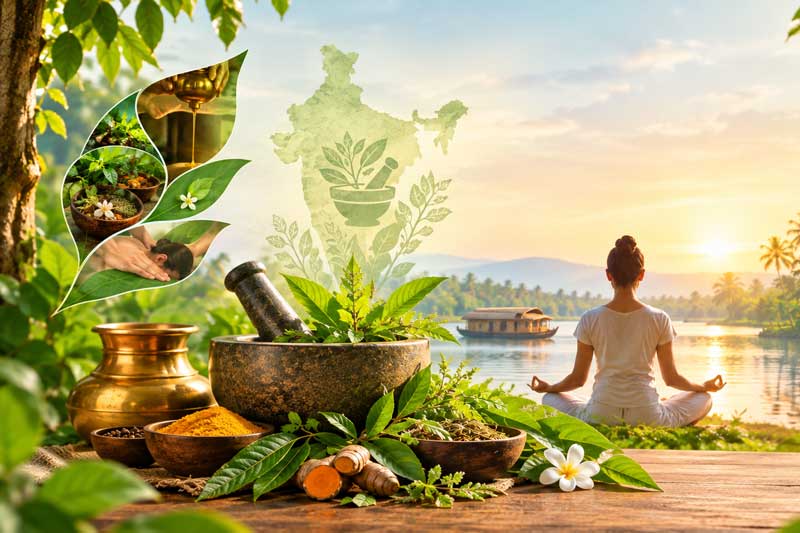
The south Indian state of Kerala, known as the cradle of
Ayurveda, will see 200 such farms across its length and breadth by 2021. Also
many small land strips, currently lying barren, will be utilised for medicinal
plant cultivation through groups like ‘Kudumbashree’, thanks to the
‘Responsible Ayurveda’ initiative of the Responsible Tourism Mission under the
State Department of Tourism.
“We’ve so far identified and included 40 Ayurvedic medicinal
farms, both small and large, at places like Vaikom, Palakkad,
Thiruvananthapuram, Kozhikode and Wayanad under the project. All help,
including expertise, will be provided to the farmers. We are targeting another
100 farms this year itself,” said K Rupesh Kumar, State RT Mission
Co-ordinator.
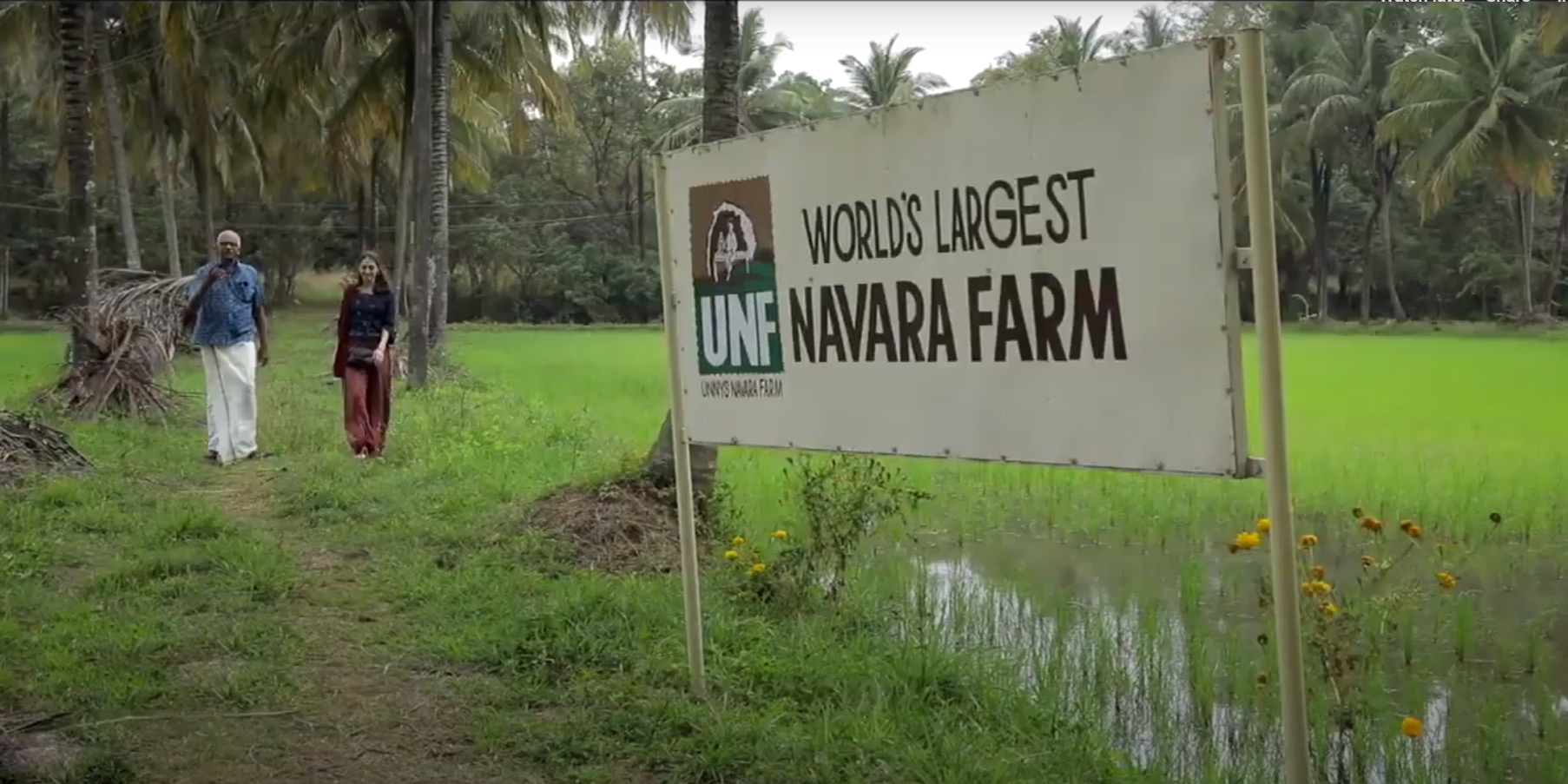
Among the farms identified include one that cultivates
Njavara rice, a particular variety of rice packed with health benefits like
Vitamin E and the properties to fight cancer and diabetes. “In-fact Unni’s
Njavara Farm (UNF) in Palakkad’s Vellinezhi is the world’s largest Njavara
farm,” Kumar said.
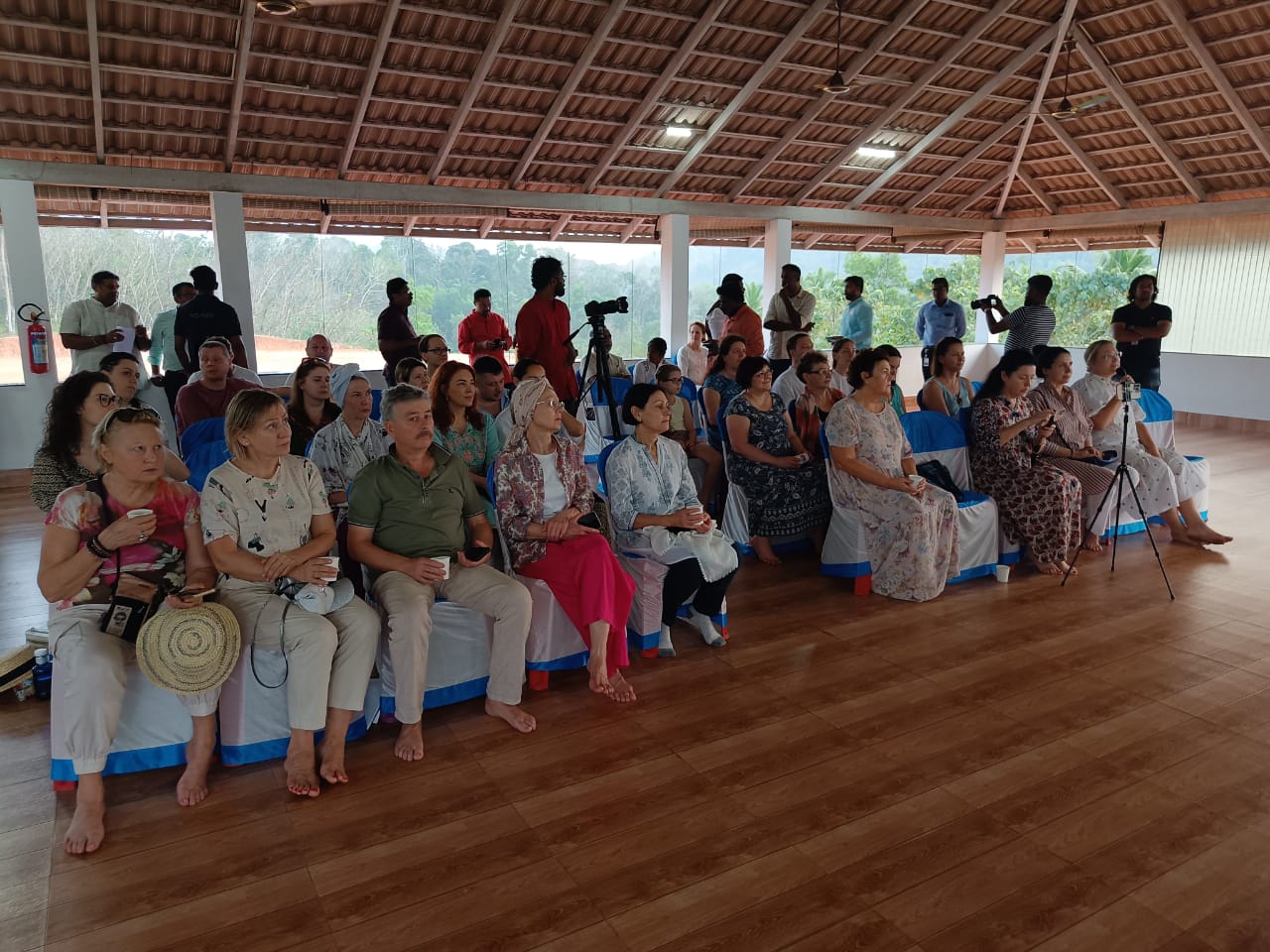
The wellness tourists flocking the state will soon be offered
‘Ayurveda Farm Visits’ when they can experience all about the traditional medicinal
system and how the natural medicines are prepared. The local farmers or groups
engaged in farming will explain how the rare plants are grown and their
specific benefits/ medicinal use.
“The packages will be extended to tourists once the state
government completes the process of classifying Ayurveda centres into three
different categories – Ayur Diamond, Ayur Gold and Ayur Silver, according to
the facilities and quality of services offered.”
“We’ll also acclimatise them to products made out of medicinal
plants during such tours. For instance, pens made out of seeds of Agastya tree
(Humming bird tree). Even if such products are disposed-off, they won’t turn
harmful to the environment. They will, in fact, result in new saplings
springing up,” the official added.